
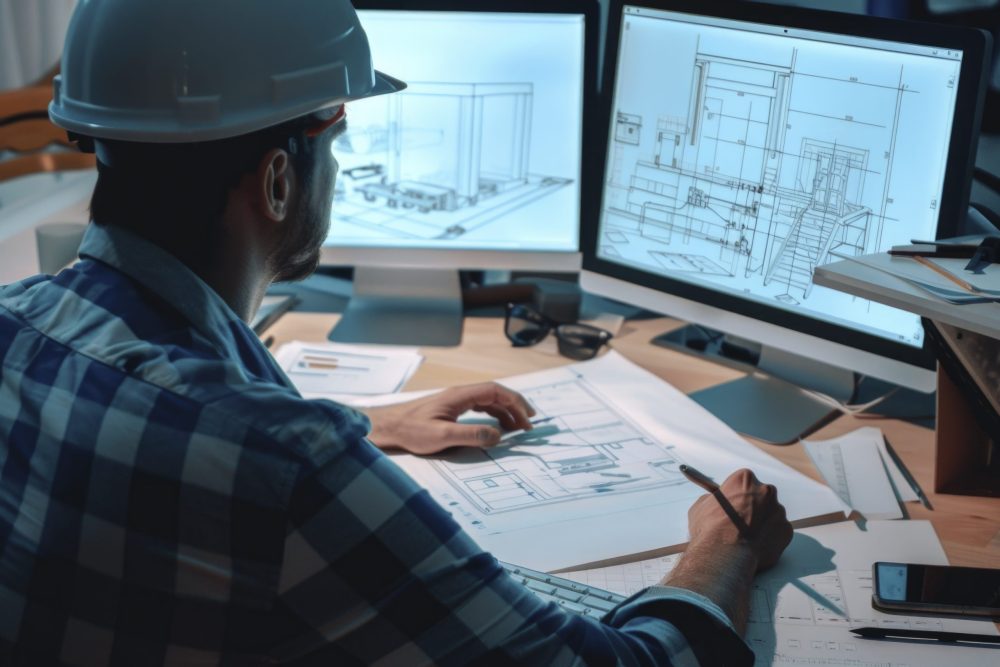
In the evolving landscape of digital construction, the shift towards data-led project delivery continues to influence how teams plan, manage and forecast outcomes. One development drawing increasing attention is 5D BIM. While the term is widely used, its full meaning and application are still being explored across the sector. As organisations look to improve accuracy in construction planning and strengthen project controls, 5D BIM is becoming an important component of integrated digital workflows.
Cost data
5D BIM is the process of linking cost data to a 3D model to create a dynamic environment for cost analysis, budget tracking and financial forecasting. It builds on the foundations of 3D and 4D BIM by adding a structured cost dimension, enabling teams to evaluate how design decisions influence overall project expenditure. For many organisations, 5D BIM in construction provides a more connected approach to project planning, where financial information is updated in line with design changes.
Benefits
One of the main benefits of 5D BIM modelling is the ability to produce real-time cost insights. Traditional cost planning relies on static documents that must be manually updated as the design progresses. In contrast, 5D BIM cost management integrates pricing data directly into the model, allowing teams to assess material quantities, labour requirements and procurement implications early in the design phase. This supports more reliable cost forecasting and reduces the risk of late-stage surprises.
Improve communication
5D BIM also helps strengthen digital construction processes by improving communication among project teams. Designers, cost consultants, planners and contractors can work from a single source of information, reducing the potential for misinterpretation. When changes occur, the cost impact is immediately visible, encouraging more informed decision-making. This level of transparency is valuable for organisations adopting integrated project delivery with BIM, where collaboration and shared clarity are core requirements.


Scenario modelling
Another area where 5D BIM adds value is scenario modelling. By adjusting materials, construction sequences or design options, teams can review different cost outcomes before committing to a final plan. This supports smarter procurement strategies and allows project leaders to test cost-efficient alternatives without compromising the project scope. As clients place increasing emphasis on value-driven delivery, BIM-driven cost forecasting provides a competitive advantage.
Risk management
The use of 5D BIM for project planning also supports improved risk management. By linking cost implications to construction activities, teams can identify financial risks earlier and develop mitigation strategies. This is especially useful for complex schemes where the relationship between design choices and cost exposure is difficult to evaluate using traditional methods.
Data-centric
As the digital construction sector continues to adopt data-centric practices, the adoption of 5D BIM is likely to accelerate. Organisations seeking greater predictability and clearer financial oversight are increasingly exploring how cost-integrated BIM can support more consistent project outcomes. While the industry is still developing common standards and workflows, early adopters are already reporting more streamlined processes and improved cost accuracy across the project lifecycle.
Important tool
5D BIM is becoming an important tool for teams looking to deliver projects with greater financial certainty and operational clarity. As digital construction matures, the integration of cost data within BIM environments will play a central role in supporting informed decisions, transparent project controls and more reliable planning.
Read next: Third runway proposal sets direction for expansion – Build in Digital
Are you a building professional? Sign up for a FREE MEMBERSHIP to upload news stories, post job vacancies, and connect with colleagues on our secure social feed.

