
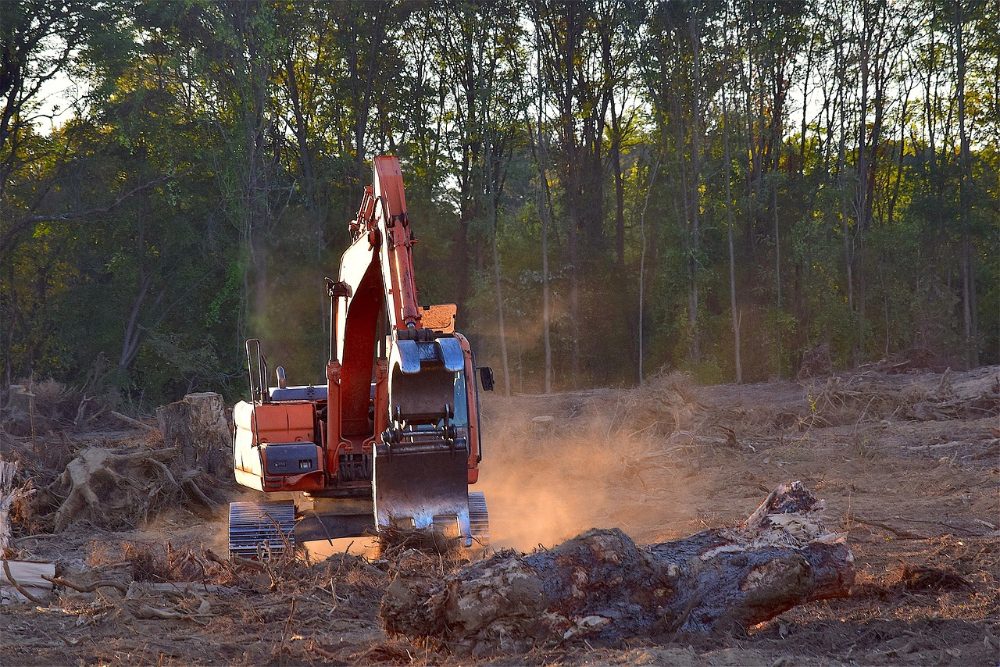
Rapid expansion of biofuel mandates could strain global food supplies and accelerate deforestation by 2030, according to a new report.
The research, published by Chatham House in partnership with the Forest Stewardship Council (FSC), warns that expanded biofuel mandates and targets could create 36m hectares of additional cropland pressure by 2030 – an area roughly the size of Germany.
The figure represents estimated cropland pressure associated with announced mandates and targets, not a forecast that the equivalent area of forest will be cleared.
The report says the additional demand would intensify competition for land and crops, pushing up prices and increasing risks to forests and biodiversity.
It comes as agricultural markets already face pressure from a severe El Niño event and geopolitical conflict. Around 30% of global crude oil and fertiliser trade passes through the Strait of Hormuz, meaning the same disruption driving interest in alternative fuels is also affecting the inputs needed to grow many biofuel feedstocks.

Dr Subhra Bhattacharjee, director general of FSC, said: “Expanding biofuels without strong safeguards risks turning short-term energy pressures into long-term land use change at the cost of forests, compromising the resilience of communities and economies to climate change.
“Biofuels can contribute to the energy transition, but their expansion does not need to come at the expense of forests. Feedstocks can be responsibly sourced and produced without driving forest loss. Governments and businesses must know where these crops come from – and draw clear lines before fuel demand pushes further into forests.”
According to the report, the land footprint of biofuel production could more than double. Around 32m hectares were used to grow biofuel feedstocks in 2023, with global demand already expected to require a further 20m hectares by 2030. Under new mandates and targets, additional demand could reach 36m hectares, bringing the total implied footprint to roughly 68m hectares.
The report warns that rising biofuel demand could push up prices of corn, soybeans and vegetable oils. Roughly 40% of US corn demand already comes from ethanol production, and new federal targets would raise biofuel requirements to record levels, including a 60% increase in biodiesel and renewable diesel production.
In India, maize is already the leading ethanol feedstock, and an additional 5.2m tonnes of rice has been allocated to ethanol production. In Indonesia, a move towards a 50% palm-oil biodiesel blend, alongside export restrictions on some feedstocks, could reshape palm-oil demand and trade, with the report warning that expansion of feedstock plantations could increase pressure on forests, either directly or by displacing other agricultural production.
Higher mandates could also raise costs for taxpayers and consumers, the report says, as rising feedstock and input costs squeeze producer margins and increase pressure for subsidies, drawing public funds away from other priorities.
The report argues that biofuels can offer a targeted option for existing vehicle fleets and sectors that remain difficult to electrify, but it questions large-scale expansion in passenger vehicles, where electrification is generally more efficient and cheaper to run.
Dr Patrick Schröder, senior research fellow at Chatham House, said: “There are better responses to the energy crisis than aggressively promoting biofuels, which will create new pressures on land, food and ecosystems.
“Governments should prioritise immediate measures to improve energy efficiency, while accelerating renewable power and the electrification of road transport wherever economically and technically feasible. Before raising biofuel mandates, they should make the most out of existing resources, prioritising genuinely sustainable waste- and residue-based feedstocks over dedicated food and energy crops.”
The report sets out 16 recommendations to guard against the risks of rapid biofuel expansion. These include prioritising food production where crops compete with fuel demand, strengthening land-use controls, supply chain traceability and deforestation-free requirements, and limiting higher mandates to supply from improved yields, existing or degraded land, wastes, residues or advanced biofuels.
It also calls for clear land-use guardrails to prevent the conversion of forests and other high-biodiversity ecosystems, and recommends that governments reassess higher biofuel mandates once immediate supply pressures ease, particularly where continued expansion would depend on subsidies or other long-term policy support.
Read next: Holcim opens first calcined clay line in Czech Republic
Are you a building professional? Sign up for a FREE MEMBERSHIP to upload news stories, post job vacancies, and connect with colleagues on our secure social feed.
