
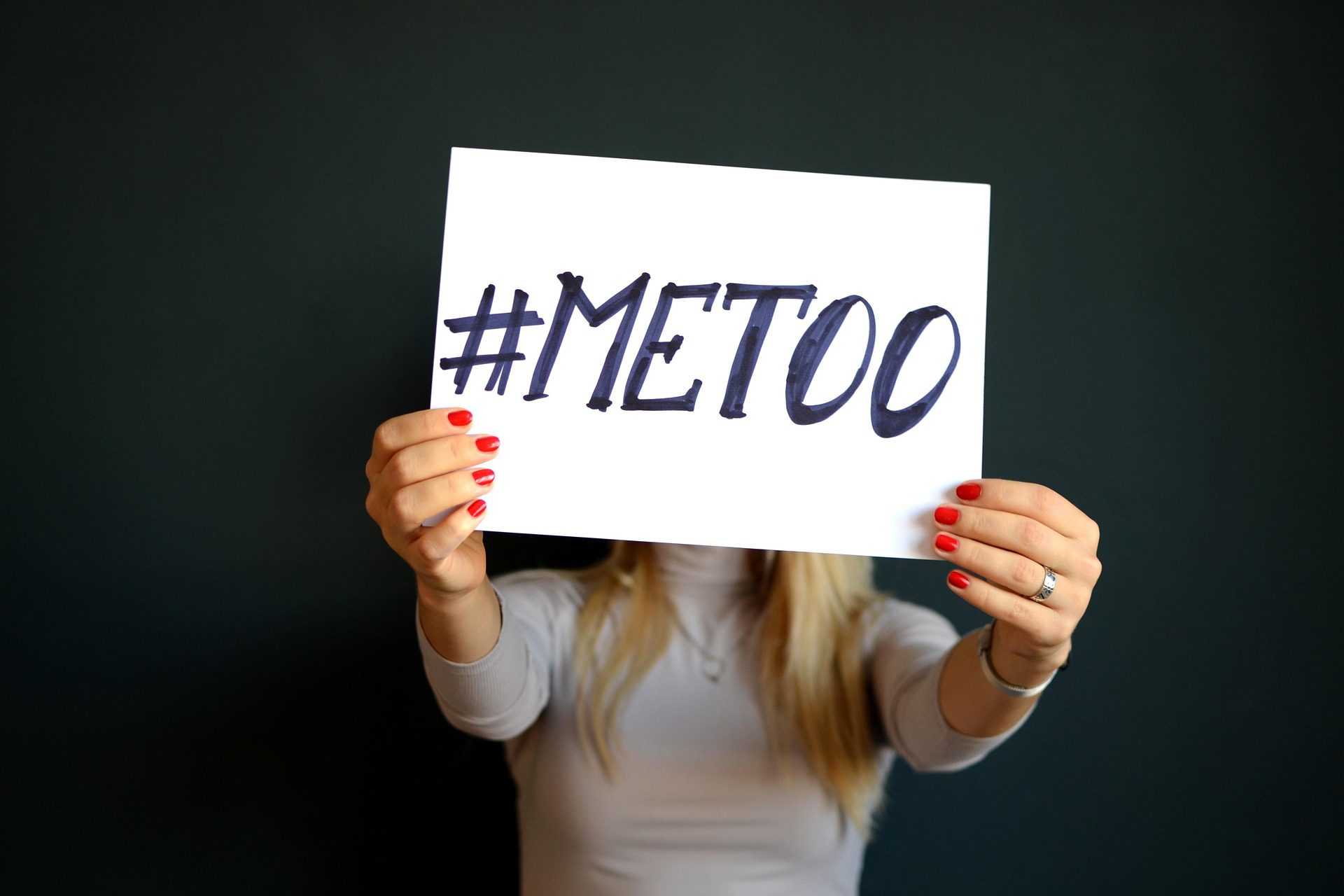
A survey by Unite, the Union, has uncovered a harrowing reality for women in the UK construction industry: sexual harassment is not just a problem; it’s widespread and deeply entrenched.
According to the Unite survey, nearly one in three women in construction (31%) report being sexually assaulted at work. Even more distressing, 17% have experienced sexual coercion, including manipulation, threats, or pressure to engage in unwanted sexual activity. These findings highlight an urgent and unacceptable crisis in an industry already struggling with gender diversity and inclusion.
Construction failing women workers
The survey, part of Unite’s Zero Tolerance to Sexual Harassment campaign, polled female members across all 19 sectors where Unite represents workers. But the data from construction stands out for its severity.
- 65% of women had experienced unwanted sexual remarks or gestures
- 70% were subjected to sexually offensive jokes
- 54% said they had been inappropriately touched
- 41% had pornographic content shared with them by colleagues or managers
Shockingly, over half of the women (51%) said the harassment was not a one-off, and one in three had endured it multiple times.
Yet the vast majority, 76% of those harassed, did not report it.


Unite leadership speaks out
Unite General Secretary Sharon Graham did not mince words: “Staff safety should be among the highest priorities for employers in construction, but the results of our survey are damning. Bosses are failing women workers.
“Nobody should suffer sexual harassment in the workplace. Unite is committed to a zero-tolerance approach—and we will put every employer turning a blind eye on notice.”
Women’s reluctance to report abuse stems from fear of retaliation, disbelief, and a lack of action when they do speak up. One woman shared: “There was a man at my work who kept touching me and my colleague. When we reported him, he started spreading rumours and calling us dangerous b**ches. I felt like management didn’t take it seriously.”
Another respondent described being harassed for months by her manager, only to be fired the day after reporting it: “It devastated me and drove me away from working in the construction industry for years.”
Call for action and accountability
Despite the introduction of the Worker Protection Act 2023, which requires employers to prevent sexual harassment at work and during work events, Unite’s research reveals it’s not being enforced. Only 25% of women working in construction believe their employer has done enough to foster a zero-tolerance culture.
Alison Spencer-Scragg, Unite’s National Women’s Officer, issued a powerful call to action: “The Worker Protection Act hasn’t gone far enough. Employers aren’t taking it seriously. This leaves women vulnerable, unsupported, and sometimes out of a job. The government must take our demands seriously to stamp out sexual harassment in construction.”
Unite’s demands: turning outrage into change
To combat what it calls a “culture of impunity,” Unite is demanding:
- A standalone sexual harassment policy in every construction workplace
- Mandatory sexual harassment training for all staff
- Legal recognition of union equality representatives with paid time off
- Extension of the tribunal claims deadline from 3 to 6 months
- Recognition of sexual harassment as a workplace injury by the Health and Safety Executive
- Employer accountability under the Worker Protection Act
Jason Poulter, Unite’s National Officer for Construction, condemned the sector’s inertia: “The results of the survey are very disappointing. Much more needs to be done. Women must feel safe and supported to report incidents and know they’ll be taken seriously. Unite stands with our women members and will fight to eradicate sexual harassment in construction.”
Read next: A better solution for nature and development – Build in Digital
Are you a building professional? Sign up for a FREE MEMBERSHIP to upload news stories, post job vacancies, and connect with colleagues on our secure social feed.