
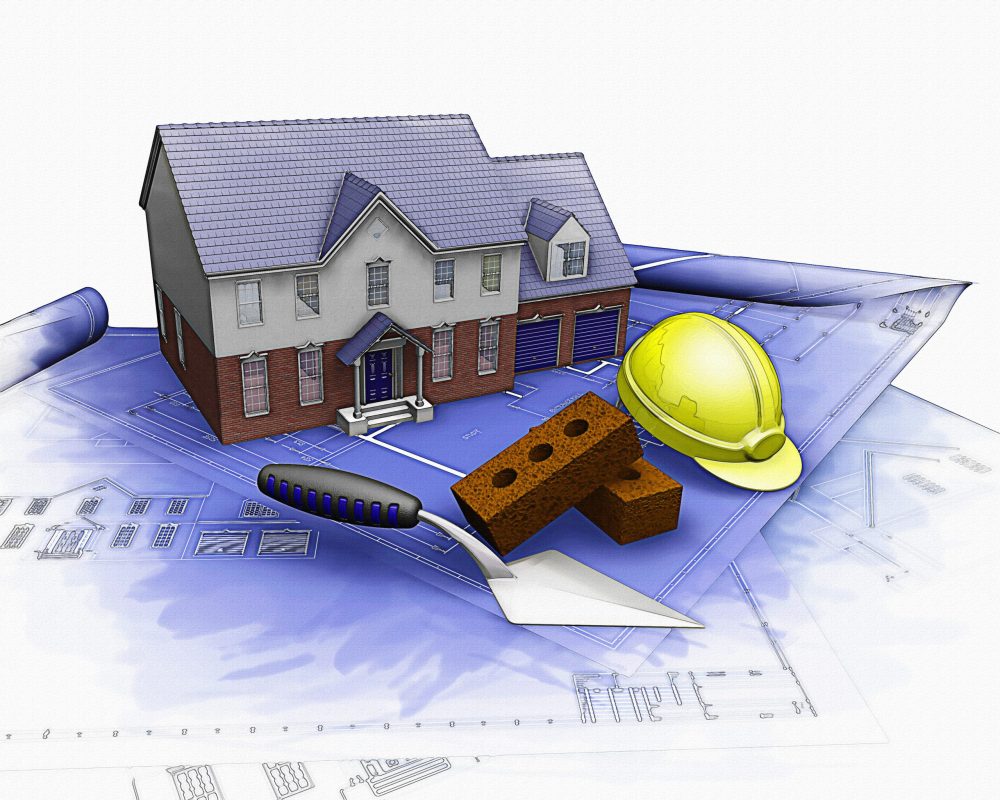
Digital twins are transforming housing lifecycle delivery, enabling data-driven design, construction, and real-time operational performance insights.
For the UK housing sector, digital twins support cradle-to-grave visibility, covering planning, design coordination, construction sequencing, and long-term building performance. This aligns with increasing demand for lifecycle-based decision-making and whole-life carbon assessment.
Enabling sustainable housing and infrastructure planning
Digital twins are central to sustainable housing development and infrastructure planning.
By simulating environmental performance, energy consumption, and material impacts during early design stages, project teams can optimise outcomes before construction begins. It allows stakeholders to test scenarios such as passive design strategies, renewable energy integration, and embodied carbon reduction.
This capability supports planning authorities and developers in delivering housing schemes aligned with net-zero targets while maintaining cost control and programme certainty.

Real-time data for risk reduction and cost efficiency
One of the most significant advantages of digital twins is the integration of real-time construction and operational data. Sensors embedded in buildings and infrastructure feed continuous data into the twin, enabling proactive monitoring and predictive analytics.
During construction, digital twins can identify clashes, monitor site conditions, and track progress against programme baselines. This reduces rework, delays, and cost overruns.
In operation, housing providers benefit from predictive maintenance models that identify issues before failure occurs. This reduces lifecycle costs, improves asset performance, and enhances resident experience.
Urban-scale digital twins for smarter cities
Beyond individual assets, urban-scale digital twins are emerging as critical tools for city planning and management. These models integrate data across transport networks, utilities, housing stock, and community services.
Urban digital twins enable scenario modelling for traffic flows, energy demand, water usage, and emergency response planning.
For housing, this ensures developments are integrated into wider urban systems, improving accessibility, resilience, and service delivery.
Digital twins are redefining housing delivery, connecting design, construction, and operation through data, enabling sustainable, efficient, and resilient built environments across the UK housing sector.
Read next: 1,300 homes in brownfield urban transformation – Build in Digital
Are you a building professional? Sign up for a FREE MEMBERSHIP to upload news stories, post job vacancies, and connect with colleagues on our secure social feed.
