
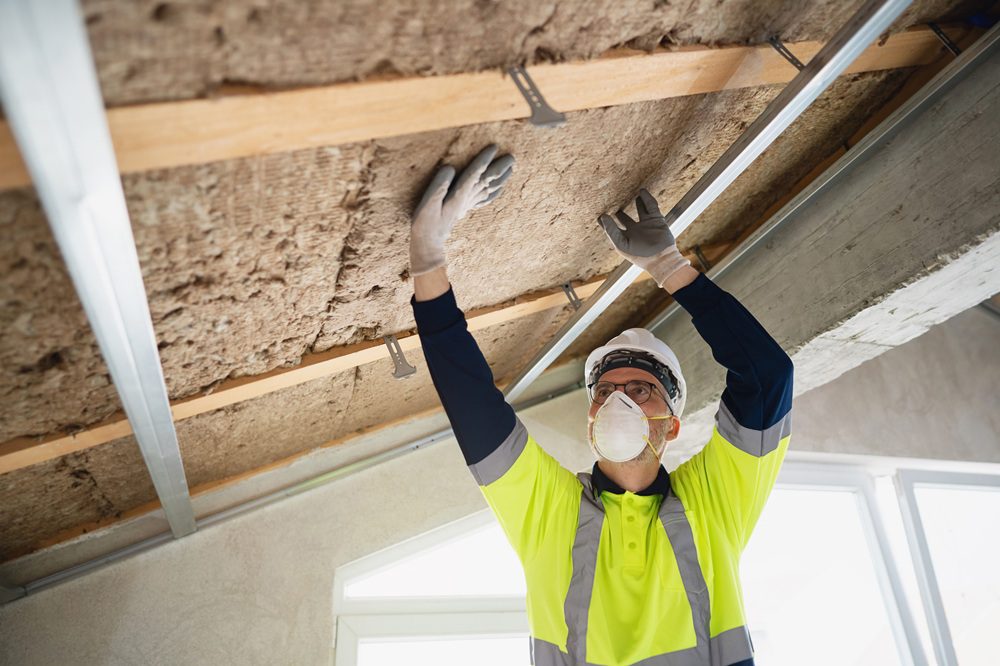
A new toolkit has been launched to address a lack of awareness among senior construction managers about the dangers of silica dust.
The research, funded through the Chartered Institute of Building’s (CIOB) Paul Dockerill Award and led by Dr Scott McGibbon, of Pvotal Consultancy, found that senior managers across the sector often lack the awareness, knowledge and organisational support needed to manage silica dust risks effectively.
The study combined a literature review with a survey of housing management professionals, interviews with senior leaders, and a consultation with industry stakeholders to examine how silica dust is currently managed.
Respirable crystalline silica (RCS) is generated when materials such as brick, concrete, mortar, stone, tiles and plasterboard are cut, drilled or demolished. The microscopic particles can penetrate deep into the lungs, causing irreversible diseases including silicosis, chronic obstructive pulmonary disease (COPD), cardiovascular disease, autoimmune disease and lung cancer.

The survey found that all respondents believed education and training are fundamental to improving silica dust management, yet 75% do not consistently use project silica exposure plans or inspect safe working practices.
A further 75% were unaware of the current UK Workplace Exposure Limit for silica dust, 68% did not know there are three recognised modes of transmission, and 63% were unaware exposure is linked to cardiovascular disease, autoimmune disease and cancer. Every respondent said their organisation was not fully equipped to deal effectively with silica dust.
Interviews with senior leaders identified commercial pressures, organisational culture, skills shortages and inconsistent understanding of existing health and safety frameworks as barriers to improving silica dust management.
Many felt current processes do not sufficiently address the risks and called for a more structured approach, similar to asbestos management.
McGibbon said: “The industry has made enormous progress in improving site safety, but occupational health has not always kept up. Silica dust remains one of construction’s most underestimated hazards, and our research shows there are significant gaps in awareness among those responsible for managing risk.”
Alongside the research, McGibbon has developed the Residents, Clients and Construction Excellence Toolkit (ReACT), a resource intended to help professionals and the public understand the risks posed by silica dust and adopt best practice to minimise exposure.
He added: “This isn’t simply about introducing more paperwork. It is about embedding silica dust management into the way projects are procured, planned and delivered. Clients, contractors and the wider supply chain all have a role to play in raising standards through better training, stronger leadership and greater accountability.
“I hope anyone working in the industry or carrying out a construction project in their own home will use the ReACT toolkit to better understand how they can protect themselves from the serious health risks which silica dust can cause if not treated with caution.”
The report recommends developing recognised competency standards and qualifications for silica dust management, introducing mandatory training and upskilling programmes, producing practical technical guidance and embedding silica dust considerations into procurement. It also calls for greater investment in exposure monitoring, health surveillance and workforce development.
Image credit: CIOB
Read next: £19m Lancaster University refit completed
Are you a building professional? Sign up for a FREE MEMBERSHIP to upload news stories, post job vacancies, and connect with colleagues on our secure social feed.
