
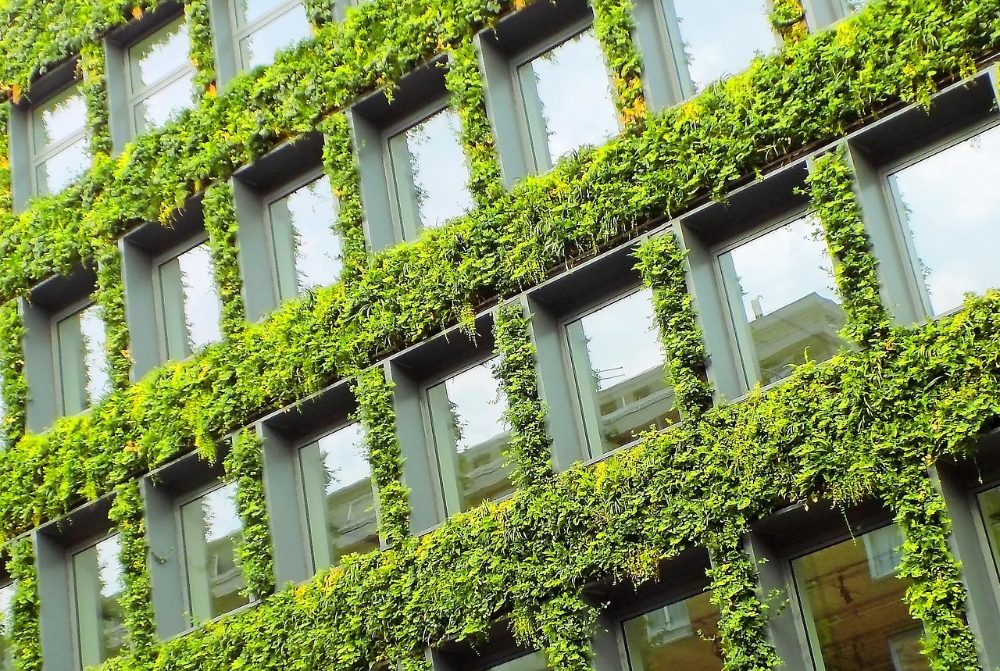
The built environment is emerging as one of the most critical sectors for reducing global carbon emissions.
With the built environment responsible for 37% of global energy-related carbon emissions, the transition to net-zero buildings is no longer optional—it is essential. This figure surpasses emissions from the entire transportation sector, underscoring the urgent need to address the carbon footprint of buildings at every stage of the life cycle.
A report, “Achieving Net-Zero Buildings: An Action Plan for Market Transformation”, developed by the World Business Council for Sustainable Development (WBCSD) with support from Arup, provides a practical, actionable blueprint for decarbonizing buildings worldwide.
Are net-zero buildings essential for a sustainable future?
Net-zero buildings—structures that produce zero net carbon emissions across their operational and embodied life cycles—represent one of the most effective ways to combat climate change. These buildings are designed, constructed, and operated to minimise energy consumption, maximise efficiency, and utilise renewable energy sources. Achieving a carbon-neutral property sector is not only a moral and environmental imperative but also an economic opportunity, unlocking market value and resilience. As the global community works to limit temperature rises well below 1.5°C in line with the Paris Agreement, transforming our buildings into sustainable, climate-resilient spaces is key to ensuring a livable planet for future generations.
A 12-Step Action Plan for Decarbonizing Real Estate
The newly released report provides a 12-step Action Plan aimed at guiding governments, businesses, and stakeholders across the property and construction sectors toward large-scale adoption of net-zero practices.
Key focus areas include:
- Establishing a universal definition: a clear, consistent definition of net-zero buildings is critical to drive meaningful change and ensure alignment across industries.
- Driving transparency: mandating performance disclosure through regulatory or voluntary measures enhances accountability and helps identify areas for improvement.
- Implementing performance standards: moving beyond compliance-based regulations to enforce minimum operational energy performance will raise the bar for building efficiency.
- Aligning incentives and certifications: financial incentives and market recognition based on consistent net-zero criteria can accelerate industry-wide transformation.
The report also highlights how the lack of unified definitions and fragmented policy landscapes has hindered progress. It calls for stronger collaboration between governments, the private sector, NGOs, and academia to make net-zero buildings the industry standard.

Real-world case studies show net-zero is achievable
To support this roadmap, the publication features 16 case studies from around the world, showcasing practical examples of decarbonising real estate, from operational buildings to refurbishments and new construction projects. These examples demonstrate that the transition to carbon-neutral buildings is not only feasible but already in motion, driven by innovative design, sustainable construction practices, and performance-based policy frameworks.
Accelerating the shift to a net-zero built environment
“Our 12-Step Action Plan is intended to be applicable at a national or regional level, as well as at a corporate level in informing the approach to decarbonisation for a property portfolio,” explains Stephen Hill, Associate Director at Arup. “The accompanying case studies prove that whether through new builds or retrofitting existing structures, achieving net-zero buildings is entirely within reach. What’s needed now is a rapid acceleration of this transition to meet the climate challenge head-on.”
This report is the fifth installment in Arup and WBCSD’s joint Net-Zero Buildings series, complementing earlier publications that explored strategies for reducing embodied carbon, an equally vital aspect of achieving a sustainable, resilient built environment.
The transformation of the global building and construction sector can become a defining achievement in our fight against climate change. The time for action is now—because a sustainable, low-carbon future starts with the buildings we inhabit every day.
Read next: Futureproof the next generation of British new towns – Build in Digital
Are you a building professional? Sign up for a FREE MEMBERSHIP to upload news stories, post job vacancies, and connect with colleagues on our secure social feed.
