
A company developing a carbon-negative alternative to plasterboard has secured £1m of government innovation funding to scale-up the product.
Adaptavate has secured the Smart funding from Innovate UK to optimise cost and scalability. The company will work in collaboration with the Biorenewables Development Centre (BDC) to establish an innovative carbon storing feedstock source, and develop a cost-comparable, first-of-its-kind carbon-negative plasterboard alternative.
The company says it plans to expand on the environmental benefits of its revolutionary technology, by using hard to treat post-consumer and industrial wastes, pre-treating them to turn them into carbon storing aggregates, with a high permeance, and then incorporating them in the product, permanently locking up the carbon into high performing wallboards.

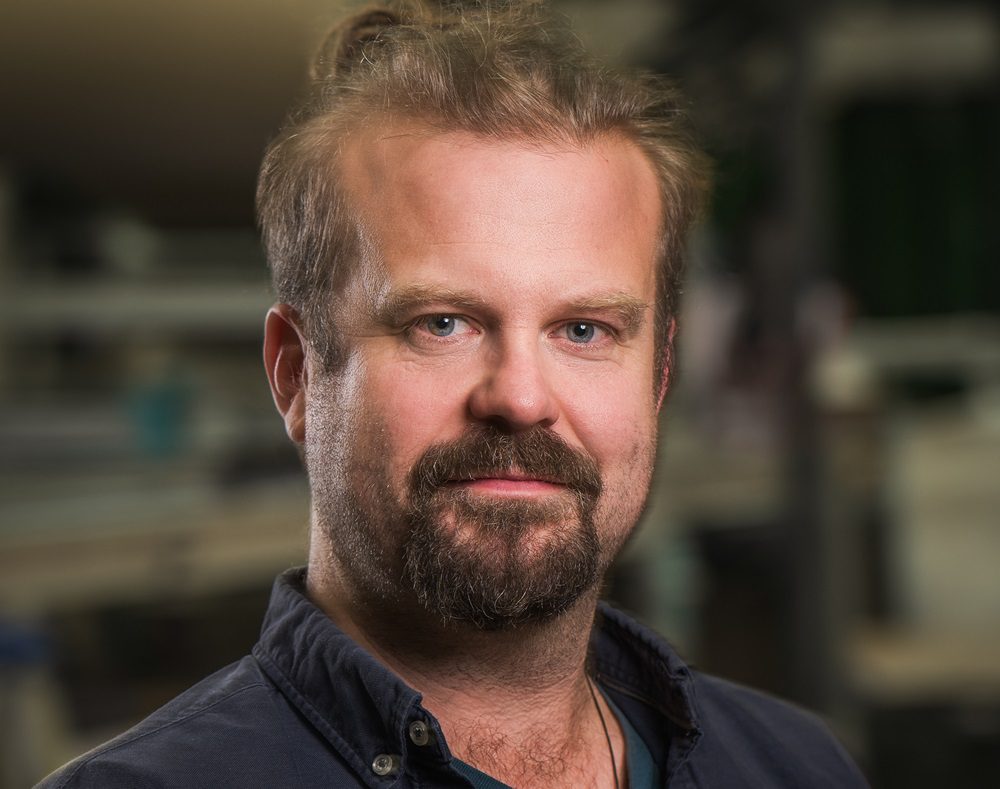
Jeff Ive, chief technology officer at Adaptavate, said: “This project will facilitate the adoption of our technology globally by making it more cost-competitive, whilst improving its carbon removal potential.
“The adoption of our patented technology can play a significant role in the decarbonisation of the construction industry, given the globally ubiquitous nature of plasterboard, its application in internal linings and the opportunities available to innovate in non-load bearing structure.”
The 24 month-long-project will also deliver key innovations to Adaptavate’s industrial process for streamlined manufacturability and cost-competitiveness. In collaboration with BDC, the company will develop a cost model, and specifications for a production facility, to ensure performance, manufacturability, and material suitability.
The work with BDC will also quantify the end-of-life benefits of Adaptavate’s plasterboards alternative by investigating the use of construction and demolition waste both as a valuable soil additive and inputs to further production.
Dr Peter Hurst, lead technologist at the BDC, said: “We’re delighted to continue our partnership with Adaptavate on this exciting project. BDC’s expertise in scaling up bio-based solutions, combined with Adaptavate’s innovative technology, positions us to make a real impact on the construction industry. By reducing the environmental footprint of buildings and promoting renewable materials, we’re taking a step towards a more sustainable future.”
Adaptavate says the innovative incorporation of novel feedstocks will improve the commercial scalability of its carbon-negative technology, and builds on previous proof of concept work done with BDC that identified performance benefits to the product, such as improved thermal and moisture handling characteristics.
This alternative to plasterboard also mitigates gypsum’s growing price and resource scarcity while aiding the construction industry’s transition to net-zero.
Main image: Jeff Ive, chief technology officer, Adaptavate
Read next: Budget 2024 Reaction: A challenge for construction
Are you a building professional? Sign up for a FREE MEMBERSHIP to upload news stories, post job vacancies, and connect with colleagues on our secure social feed.
