
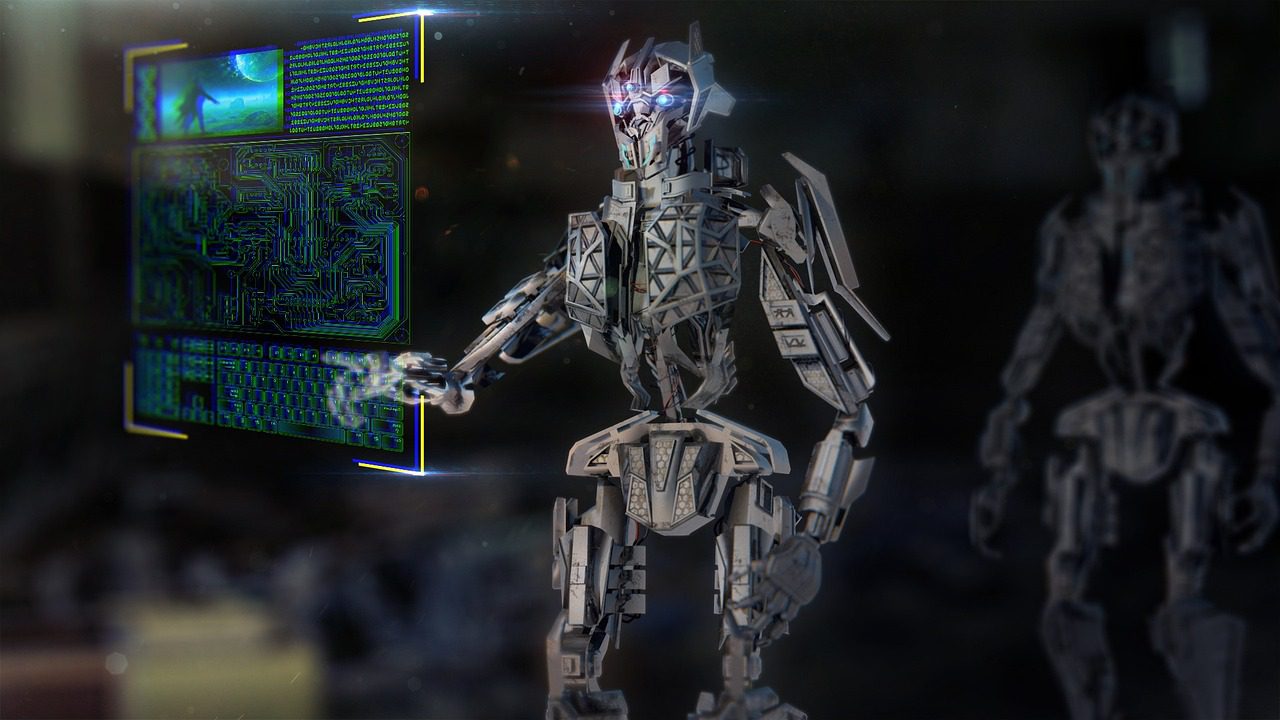
Construction has always been a marriage of sweat, skill and schedule. Lately it’s added a third partner: AI‑enabled mobile robots.
Think autonomous quadrupeds, wheeled AMRs, and mobile manipulators that are quietly taking on dull, dirty and dangerous tasks so humans can focus on the clever stuff. The result? Faster progress, fewer surprises, safer sites and better data flowing into BIM and project controls.
Five trends in AI‑enabled mobile robotics for construction
1) Autonomous mobile robots (AMRs) for material handling are moving onto the jobsite
AMRs that were once warehouse staples are being ruggedised and adapted to construction environments. Expect purpose‑built haulers and multi‑terrain AMRs to reduce manual carrying and site congestion — especially on repeatable flows (e.g., delivering blocks, rebar or services kits). The move from forklifts + humans to AMR fleets reduces wait times and injury risk.
2) AI‑powered inspection & surveying (ground robots + drones)
Robots equipped with cameras, LiDAR and AI‑vision pipelines can detect cracks, missing elements, or installation variances faster than periodic human checks. Autonomous ground platforms complement drones by capturing interior and below‑grade conditions (tunnels, mechanical rooms) safely and more frequently. This is where rework prevention and insurance friction drop.
3) Mobile manipulators & collaborative robots (cobots) that work alongside crews
Robots are graduating from “point A to B” jobs to handling tools and components — powered by mobile manipulators and improved force/vision control. Cobots with safety‑first designs make it feasible to automate bolting, repetitive finishes or material placement while humans perform skilled assembly. Expect more hybrid human‑robot crews on repetitive tasks.
4) Robotics‑as‑a‑Service (RaaS) and subscription deployment models
RaaS converts robotics from capital projects into operational expenses, allowing smaller contractors to trial and scale robotics on a project basis. This lowers adoption friction, spreads maintenance responsibilities to providers, and creates a faster route for advanced robotics to reach live sites. Analysts expect RaaS uptake to be a major driver of practical deployments.
5) Tight integration with BIM, digital twins and edge/cloud AI orchestration
Robots are no longer data islands. Frequent captures feed digital twins and BIM for near‑real‑time verification (progress vs schedule, automated QA). Edge AI lets robots process and filter critical anomalies on site, while cloud systems aggregate multi‑robot data into project dashboards — enabling predictive workflows and proactive issue resolution.

What this means for project teams (real, practical advice)
- Start small with a focused use case: automate site documentation or toolbox material runs first — measurable wins help build budget for the next robot.
- Think data pipeline, not just robot: a robot that captures scans is useful only if you feed the data into BIM, analytics and project workflows. Plan integrations up front.
- Treat safety & acceptance as a delivery item: human‑robot collaboration needs rules, training and obvious safeguards to avoid friction on site. Early workforce involvement speeds acceptance.
- Consider RaaS to de‑risk trials: if you’re unsure about capex, a subscription trial reduces upfront pain and usually includes service and updates.
- Real projects are using Spot for autonomous scans and tunnel inspection, delivering repeatable data in hazardous environments.
- Industry reports and market analysis show rapid expansion of AI in construction and increasing robotics investment — signalling a broader industry move to automation.
- Governments and builders are exploring off‑site timber + robotics to tackle housing needs, an example of robotics applied to wider construction policy and delivery.
New teammates
Robots won’t replace builders next month, but they are replacing the boring, dangerous and error‑prone bits of jobsites right now. Treat them like new teammates: train them, feed them good data, and they’ll repay you with fewer surprises and more predictable schedules.
Read next: Jade Leung appointed as PM’s AI adviser – Build in Digital
Are you a building professional? Sign up for a FREE MEMBERSHIP to upload news stories, post job vacancies, and connect with colleagues on our secure social feed.
