
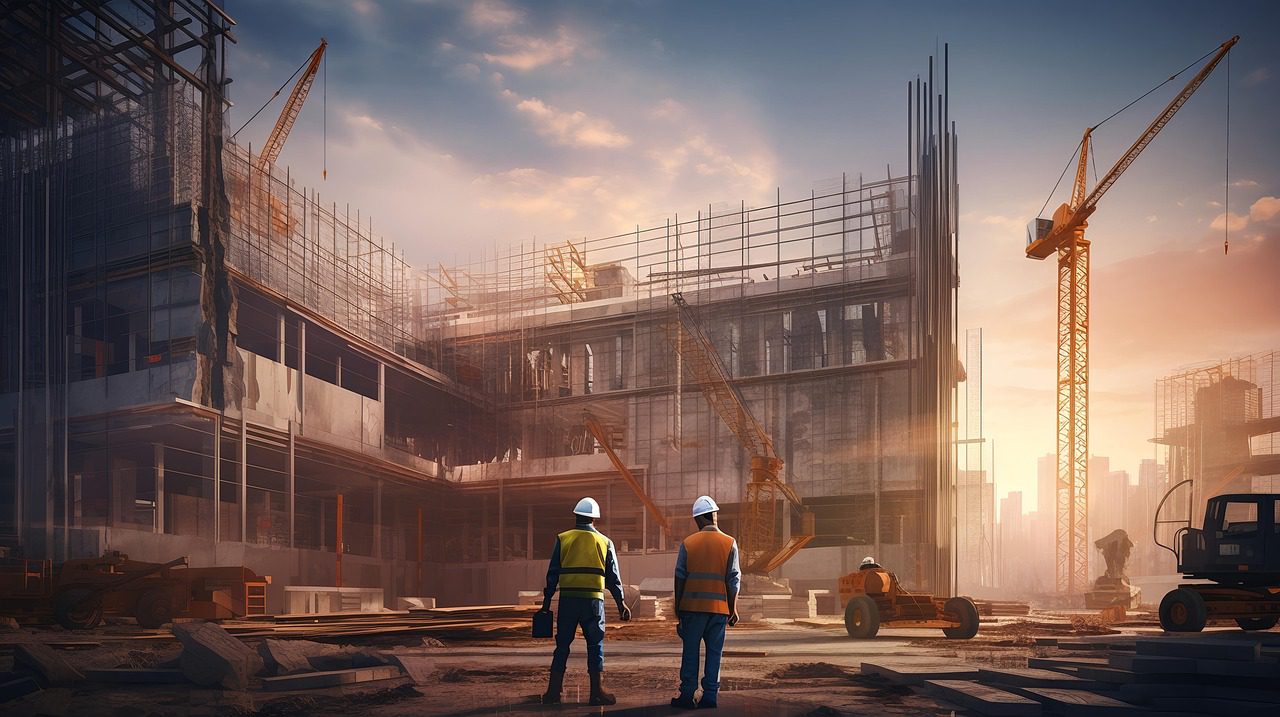
As the construction industry is under increasing pressure to reduce both carbon emissions and project costs while maintaining quality and efficiency, digital twin technology has emerged as one of the most powerful tools to achieve these goals.
By creating a dynamic digital replica of a physical asset, digital twins enable real-time monitoring, predictive analytics, and data-driven decision-making throughout the entire lifecycle of a building or infrastructure project.
What is a Digital Twin in construction?
A digital twin is a virtual model that mirrors the physical performance of a building, infrastructure asset, or system. Unlike static 3D models or Building Information Modelling (BIM), digital twins continuously update with real-time data from sensors, IoT devices, and operational systems.
In the construction industry, digital twins are used to:
- Predict and reduce carbon emissions during both construction and operation.
- Enhance project efficiency by simulating scenarios before implementation.
- Optimise asset performance across its lifecycle.
Digital Twins for carbon reduction
Sustainability is a top priority across the built environment, and digital twins integrate real-time data, predictive analytics, and simulation tools, allowing stakeholders to identify carbon-intensive processes and take corrective action to meet net zero targets.
Key ways digital twins enable carbon reduction:
- Lifecycle carbon analysis: Digital twins can calculate embodied and operational carbon from design through decommissioning.
- Energy optimisation: Integration with Building Management Systems (BMS) and IoT sensors enables continuous energy efficiency monitoring.
- Sustainable design simulation: Before construction begins, digital twins test the performance of low-carbon materials, renewable energy sources, and sustainable building methods.
- Operational efficiency: Real-time feedback ensures that buildings operate at optimal energy levels, reducing carbon footprints over decades.

Digital Twins for cost reduction
Rising material costs, labour shortages, and tight margins have increased the need for cost control in construction. Digital twins provide clear opportunities for financial savings across the project lifecycle.
Cost reduction benefits of digital twins:
- Reduced rework and delays: By simulating project delivery in advance, digital twins help detect design clashes and errors before construction begins.
- Optimised resource allocation: Predictive data supports smarter procurement strategies and lean construction practices.
- Improved maintenance planning: Digital twins track asset health, enabling predictive maintenance that avoids costly repairs and downtime.
- Data-driven decision-making: Stakeholders can assess the financial impact of design and material choices, ensuring value engineering without compromising quality.
Digital Twins in practice: industry use cases
Several global projects have demonstrated the potential of digital twins for carbon and cost reduction:
- Smart cities: Large-scale digital twins model energy use, transportation networks, and urban infrastructure to reduce emissions and improve efficiency.
- Commercial buildings: Owners and operators use digital twins to optimise HVAC systems, lighting, and space utilisation, cutting both costs and carbon.
- Infrastructure projects: Digital twins of bridges, tunnels, and rail networks improve maintenance planning and extend asset lifespans, reducing environmental and financial impacts.
Future outlook for Digital Twins in construction
The adoption of digital twins is accelerating as governments, investors, and clients demand net zero strategies and cost-effective delivery. Integration with artificial intelligence (AI), machine learning, and advanced data analytics will further expand the potential of digital twins.
Key trends to watch include:
- AI-driven optimisation for carbon and cost predictions.
- Integration with circular economy principles, such as material reuse and recycling.
- Policy and regulation alignment, as digital twin adoption becomes a key driver for achieving sustainability reporting standards.
Digital twins are transforming the construction sector by delivering both carbon reduction and cost savings. They provide real-time insights, predictive capabilities, and lifecycle optimisation that no traditional tool can match. As the industry pushes toward net zero targets and seeks to build more efficiently, digital twins will be central to driving sustainable transformation.
By adopting digital twin technology, construction companies, asset owners, and policymakers can unlock measurable benefits that support both the bottom line and the planet.
Read next: How AI helps robots stay on track without a map introduction – Build in Digital
Are you a building professional? Sign up for a FREE MEMBERSHIP to upload news stories, post job vacancies, and connect with colleagues on our secure social feed.
