
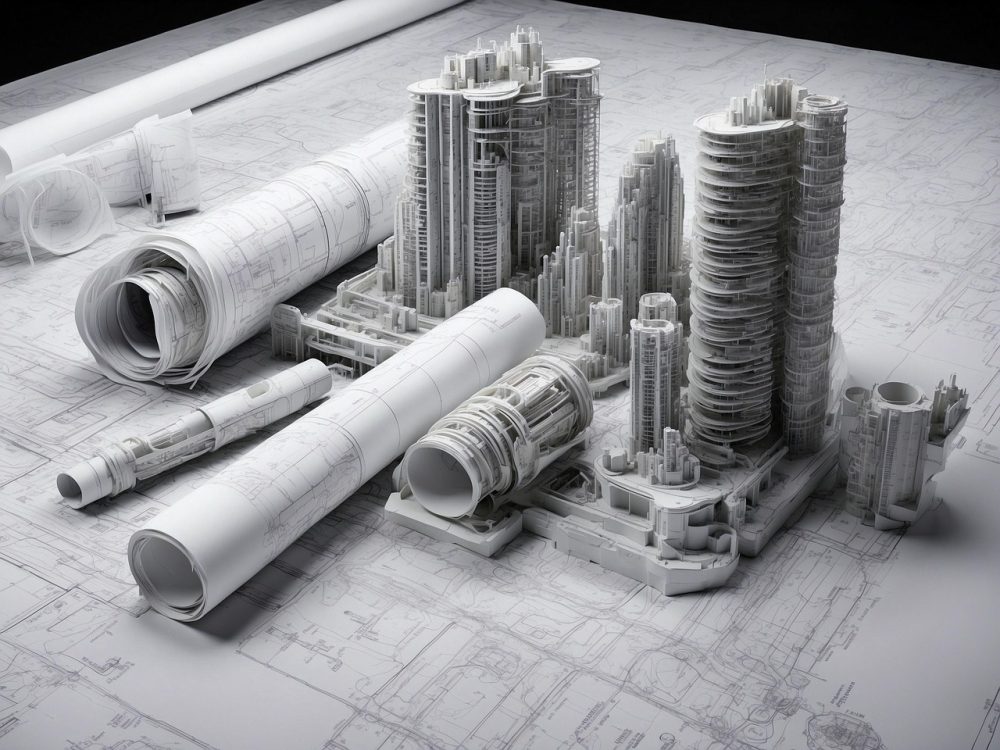
The digital construction sector is undergoing a profound transformation. At the heart of this change is the convergence of three critical elements: data, Digital Twins, and artificial intelligence (AI). While Building Information Modelling (BIM) has long provided the static foundation for design and construction, it is the integration of real-time data and AI-driven intelligence that turns Digital Twins into living, dynamic assets. This convergence is bridging the long-standing gap between projects and operations, enabling performance-based outcomes, smart building optimisation, and a new era of autonomous decision-making.
The role of data in digital construction
Data has become the cornerstone of digital transformation in construction. Without reliable and structured data, Digital Twins and AI cannot deliver their intended value.
Key aspects of construction data include:
- Real-time operational data from IoT sensors, building management systems, and smart devices.
- Static design and construction data captured through BIM models.
- Historical performance data that informs predictive analytics and asset lifecycle management.
- Standardised, interoperable data frameworks are crucial to ensure seamless integration across platforms, disciplines, and asset lifecycles.
Digital Twins: from static models to dynamic assets
A Digital Twin in construction is more than just a digital replica of a physical asset. It evolves into a dynamic model when connected to live data streams, offering continuous insights into performance, energy consumption, and user behaviour.
Benefits of Digital Twins in construction:
- Enhanced asset performance monitoring through real-time data integration.
- Predictive maintenance to reduce downtime and extend asset lifespan.
- Operational efficiency by simulating scenarios and optimising building systems.
- Improved collaboration between the design, construction, and operations teams.
When combined with BIM, a Digital Twin becomes a holistic platform that supports both construction project delivery and ongoing facility management.
Artificial Intelligence: driving autonomous decision-making
Artificial intelligence is the catalyst that transforms Digital Twins from descriptive and diagnostic tools into prescriptive and autonomous systems. By leveraging large datasets and advanced algorithms, AI provides actionable insights that support real-time decision-making and long-term planning.
Applications of AI in Digital Twins and construction:
- Predictive analytics to forecast energy demand, equipment failures, or occupancy trends.
- Automated maintenance scheduling based on data-driven condition assessments.
- Design optimisation by simulating multiple design scenarios and outcomes.
- Performance contract compliance by continuously monitoring KPIs and ensuring contractual obligations are met.
AI effectively bridges the project-to-operations gap, creating a connected ecosystem where decisions are based on evidence rather than assumptions.


Convergence of BIM, Digital Twins, and AI
The integration of BIM, Digital Twins, and AI is not just a technological upgrade; it represents a paradigm shift in how assets are designed, built, and operated.
How the convergence works:
- BIM provides the static foundation – the design and construction data.
- Digital Twins add real-time connectivity – linking the physical asset with its digital counterpart.
- AI delivers intelligence and autonomy – turning data into predictive and prescriptive insights.
This convergence supports the delivery of smarter, performance-oriented buildings, enabling the construction industry to meet growing demands for efficiency, sustainability, and accountability.
Meeting the demands of performance contracts
As performance-based contracts become increasingly common in the built environment, asset owners and operators require tools that provide continuous monitoring and assurance.
The role of data-driven Digital Twins and AI in performance contracts:
- Real-time compliance monitoring for energy efficiency and carbon reduction targets.
- Lifecycle cost optimisation by predicting maintenance needs and reducing operational risk.
- Transparent reporting that provides stakeholders with verifiable performance data.
This creates a feedback loop where performance is not only measured but actively improved through continuous optimisation.
Challenges to overcome
While the convergence of data, Digital Twins, and AI presents immense potential, the industry faces several challenges:
- Data standardisation and interoperability remain fragmented across platforms.
- Cybersecurity concerns are heightened as assets become more connected.
- Skills gaps in AI, data science, and digital asset management limit adoption.
- Cultural change is required to shift from siloed workflows to integrated, data-driven ecosystems.
Addressing these challenges will be essential to scale adoption across the digital construction sector.
The future of digital construction lies in the seamless integration of data, Digital Twins, and artificial intelligence. BIM provides the essential foundation, but it is the continuous flow of real-time data that brings Digital Twins to life. AI then elevates this ecosystem by enabling autonomous maintenance, predictive insights, and performance optimisation.
Together, these technologies are redefining how assets are designed, delivered, and operated—bridging the gap between construction and operations, and driving the industry towards smarter, more sustainable, and performance-oriented outcomes.
For construction professionals, asset owners, and technology providers, the opportunity is clear: those who embrace this convergence will lead the next era of the built environment.
Read next: Spotlight on retrofit and BIA at UKCW 2025 – Build in Digital
Are you a building professional? Sign up for a FREE MEMBERSHIP to upload news stories, post job vacancies, and connect with colleagues on our secure social feed.

