
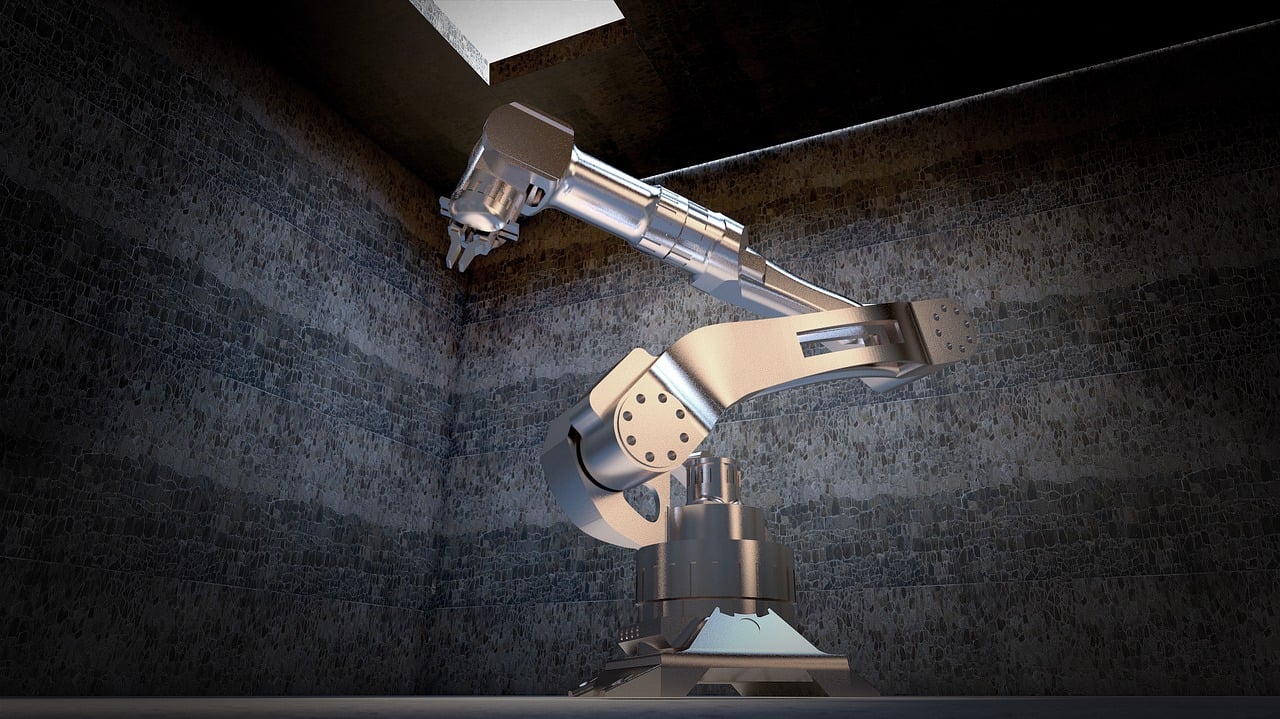
Robotics, once confined to manufacturing floors and research labs, are now finding their place on building sites, inspection networks, and within the broader lifecycle of the built environment. From drones mapping complex terrains to autonomous rovers conducting safety checks, the rise of construction robotics represents a profound shift in how we design, build, and maintain our world.
The rise of construction robotics
The global construction robotics market is projected to grow significantly over the next decade, driven by advances in artificial intelligence, computer vision, machine learning, and digital twins. These technologies enable autonomous and semi-autonomous systems to operate safely and effectively in dynamic, often unpredictable environments.
At the forefront are aerial drones, unmanned aerial vehicles that have become indispensable in surveying, progress tracking, and asset inspection. Drones equipped with LiDAR, photogrammetry, and thermal imaging are delivering accurate, real-time data that inform design decisions and reduce rework. On the ground, robotic platforms are performing repetitive or hazardous tasks such as rebar tying, bricklaying, concrete finishing, and even 3D printing of structural components.
Meanwhile, inspection and maintenance robots are revolutionising how we monitor infrastructure health. From tunnel-inspection crawlers to bridge-assessment drones, these systems collect and analyse data to identify cracks, corrosion, and structural weaknesses—often in areas too dangerous or difficult for human inspectors to reach.
What problems are robotics actually solving?
The construction sector has long struggled with issues of productivity, safety, and skills shortages. Robotics directly address each of these pain points.
- Productivity and Efficiency:
Construction robotics automate labour-intensive processes, reducing downtime and enabling projects to stay on schedule. For example, robotic total stations streamline layout tasks, while autonomous earthmoving equipment accelerates groundwork with centimetre-level precision.
- Safety and Risk Reduction:
By taking on high-risk tasks such as working at height or handling heavy materials, robots reduce the likelihood of accidents and injuries. Drones can survey hazardous zones without putting workers in danger, while robotic dogs and rovers inspect confined or unstable areas before human teams enter.
- Quality and Consistency:
Robotics introduce repeatability and precision that are difficult to achieve manually. Automated welding and masonry robots, for example, ensure consistent performance, leading to higher build quality and fewer defects.
- Data-Driven Decision-Making:
Integrated with Building Information Modelling (BIM) and digital twin platforms, robotic systems provide continuous streams of site data. This real-time feedback enables predictive maintenance, improved resource allocation, and informed decision-making across the asset lifecycle.

Barriers to broader adoption
Despite the clear benefits, several obstacles still stand in the way of mainstream robotic adoption in construction and infrastructure.
- Technical Complexity and Interoperability
Construction sites are highly dynamic environments. Ensuring that robotic systems can navigate and operate safely amidst constant change remains a challenge. Integration with existing BIM and project management systems is another hurdle, particularly when multiple proprietary technologies are in play.
- Cultural and Workforce Resistance
There remains a degree of scepticism and fear among workers and managers alike. Concerns about job displacement and the reliability of machines in complex scenarios can slow acceptance. The industry must emphasise that robotics are augmentative tools, designed to enhance, not replace,human capability.
- Regulatory and Standards Frameworks
Many regions lack clear guidance on the use of autonomous machinery on construction sites. Safety certification, liability issues, and data governance are still evolving areas of policy. Without consistent frameworks, scaling up robotic use across public and private projects remains complex.
- Cost and Accessibility
While prices for robotic hardware are falling, the initial investment, combined with the need for specialist training and maintenance, can deter smaller contractors. Demonstrating clear ROI through pilot programmes and measurable performance improvements will be key to broader uptake.
Designing robotics to augment human skill
The future of robotics in the built environment depends on how well these technologies integrate with human expertise. Rather than replacing skilled labour, the goal is to enhance capability, precision, and safety through collaboration.
Human–robot collaboration (HRC) systems are already emerging, where robotic arms assist with heavy lifting or precision placement while workers retain control over complex decision-making. Wearable exoskeletons are another example, these assistive devices reduce fatigue and risk of injury, extending the careers of skilled tradespeople.
Equally important is the role of digital literacy and training. As robotics become standard on construction sites, upskilling and reskilling programmes must evolve to equip workers with the ability to manage, maintain, and operate these systems. Education partnerships between industry, academia, and technology providers will be vital to closing the skills gap.
Insights from the frontlines
Real-world deployments offer valuable lessons for the sector. Major contractors and infrastructure owners are already incorporating robotics into their digital strategies.
- Balfour Beatty, for instance, has piloted autonomous site vehicles and robotic inspection systems to enhance safety and reduce downtime.
- Skanska and Mace are experimenting with drone-based progress monitoring and robotic bricklaying to streamline workflows.
- In infrastructure, Network Rail and National Highways are leveraging robotic platforms for tunnel and bridge inspections, improving asset management while minimising disruption to public services.
These projects demonstrate that success depends not just on technology, but on change management, clear ROI tracking, and a culture that encourages innovation.
The road ahead: toward intelligent, dynamic worksites
The next phase of digital construction will see robotics fully integrated into the connected ecosystem of the built environment, working alongside IoT sensors, digital twins, and AI-driven analytics. Construction sites will evolve into dynamic, data-rich environments where autonomous systems continuously learn and adapt, supporting predictive planning and real-time decision-making.
However, the most transformative change will not be technological, it will be human. The future of robotics in the built environment depends on collaboration between engineers, technologists, regulators, and the workforce to ensure these innovations serve both productivity and people.
Read next: Digital construction innovation winner launches new product – Build in Digital
Are you a building professional? Sign up for a FREE MEMBERSHIP to upload news stories, post job vacancies, and connect with colleagues on our secure social feed.
