
The UK Net Zero Carbon Buildings Standard (UKNZCBS) has progressed through a significant phase of development during 2024 and 2025. The Pilot Testing Programme, which ran for four months from April to August 2025, brought the Standard into contact with 205 live projects across the country. These projects tested the process of applying the UK Net Zero Carbon Buildings Standard to real buildings and shared detailed insights on usability, clarity and readiness for adoption. Their collective experience is now shaping Version 1 of the UKNZCBS, preparing it for market launch and future verification of net zero carbon buildings.
The Pilot Version of the Standard was released in September 2024. The subsequent Pilot Testing Programme attracted participation from 134 building owners, representing a wide mix of typologies and sectors across the UK built environment. Projects ranged from early design studies to post-construction reviews, enabling the Standard to be tested across different stages of the building lifecycle. In line with the goals of the testing programme, the cohort included both high-performing buildings and typical examples, even where these were not expected to meet the full ambition of the Standard. This approach enabled the Technical Steering Group to assess how the Standard functioned across a realistic cross-section of the UK property market.
Testing the Standard across the sector
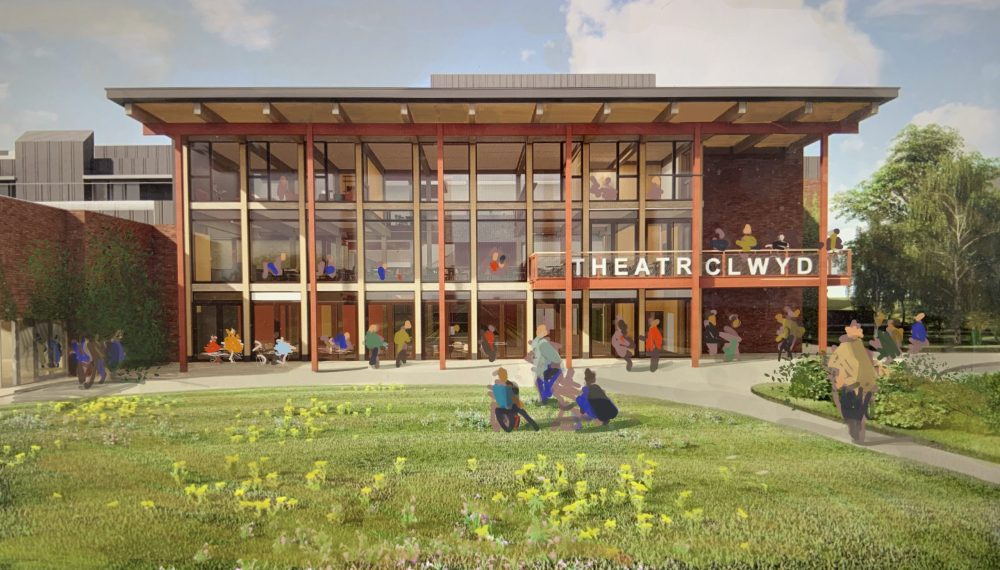
Pilot Participants applied the Standard to buildings including the King Charles III Sacristy at Westminster Abbey, Hamilton House for Dorrington, Lyde Green School for South Gloucestershire Council, Theatr Clwyd, Postal Street Housing for Manchester City Council, and multiple logistics hubs developed by Greenbox and Panattoni UK. The objective of this exercise was not to verify performance, since the verification methodology for net zero carbon buildings will only be finalised for Version 1, but to understand how the Standard performs in practice. Through this process, the Technical Steering Group was able to identify refinements needed before the launch of the full verification process next year.
Over the four-month period, participants worked through the Standard’s requirements, trialling its methodology for operational carbon, embodied carbon, and whole-life carbon assessment. They also took part in a detailed technical survey and structured technical forums to provide feedback directly to the Standard’s authors. Alongside these formal channels, peer-to-peer groups were set up to support collaborative learning, allowing participants to compare experiences of applying the Standard’s requirements to different building types. This provided a valuable real-world test of the Standard’s clarity and feasibility for organisations operating at both programme and project level.
Amrita Dasgupta Shekhar, Head of ESG and Net Zero at Greengage Environmental, reflected on the experience of running the Pilot Testing Programme. She confirmed that the Pilot demonstrated a strong sector appetite for a unified approach to net zero carbon assessment, noting that the Standard was viewed as ambitious yet essential for the UK’s transition. Participants emphasised the importance of high-quality data, cost effectiveness, clear communication at practical completion, and well-defined responsibilities throughout the process. These themes are now central to shaping Version 1.
Key findings and how they shape Version 1
Once the Pilot Testing Programme closed, the Technical Steering Group analysed all responses and produced a detailed findings report. A summary of these findings was shared with participants and is now available as part of the Standard’s December 2025 Pre-Launch Update. The summary highlights areas where the Standard performed well and where further clarity or streamlining is needed to ensure the market is prepared for its full adoption.
Ellie Burkill, Chair of the Technical Steering Group, confirmed that the Pilot Testing Programme has been a crucial step in developing a practical and robust framework for defining and verifying net zero carbon buildings. The learning from live projects has been directly integrated into Version 1, strengthening the Standard’s usability and future implementation.
Although the Pilot Testing Programme has concluded, development has continued at pace. Feedback from participants, together with direct feedback on the Pilot Version, is being incorporated into Version 1. The Pre-Launch Update outlines several planned improvements. These include new annexes covering delineation, ‘Deeming to Satisfy’ criteria, and an optional validity check at practical completion. The Verification section of the Standard will also be fully updated to explain the forthcoming verification methodology and the process for communicating Net Zero Carbon Aligned status.
The Update also signals a range of supporting resources that will accompany Version 1. These include guidance tailored for existing and heritage buildings, legal guidance for integrating the Standard into contracts, and further graphics and videos to support industry adoption.
Wider benefits for digital construction and project delivery
The Pilot Testing Programme was designed to test the Standard itself, but many participants reported wider operational benefits from applying the framework to their internal processes. Several organisations noted improvements in their understanding of how to design and deliver net zero carbon buildings using a structured, evidence-based methodology. Others highlighted how the Standard supported more consistent reporting, enhanced credibility for sustainability strategies, and improved confidence among investors and clients.
Arun Thaneja, Technical Services & Sustainability Director at Winvic Construction, said that the experience helped strengthen their approach to generating project-level data to support whole-life carbon reduction and operational performance targets. This, in turn, has reinforced internal processes and enabled more consistent alignment with the Standard across all projects.
Hunter Lydon, Programme Manager at This City, emphasised the value of comparing existing assessment approaches with the Pilot Standard. Participation in the Pilot provided a structured way to reflect on design decisions and collaboration across teams, offering new insights that support the organisation’s net zero carbon goals.
Preparing for Version 1
The upcoming launch of Version 1 marks a significant milestone for the UK built environment. The UKNZCBS is on track to become the central reference point for assessing and verifying net zero carbon buildings. The feedback generated through the Pilot Testing Programme has played a vital role in refining the Standard and ensuring it is ready for market adoption across the digital construction sector. The publication of Version 1, along with the supporting resources, will provide the industry with a clear, evidence-based pathway for delivering net zero carbon buildings and advancing the UK’s wider decarbonisation goals.
Read next: A growing focus on resilience across the built environment – Build in Digital
Are you a building professional? Sign up for a FREE MEMBERSHIP to upload news stories, post job vacancies, and connect with colleagues on our secure social feed.
