
Urban construction generates significant soil waste, yet innovative constructed soils offer circular, high-performance solutions for cities.
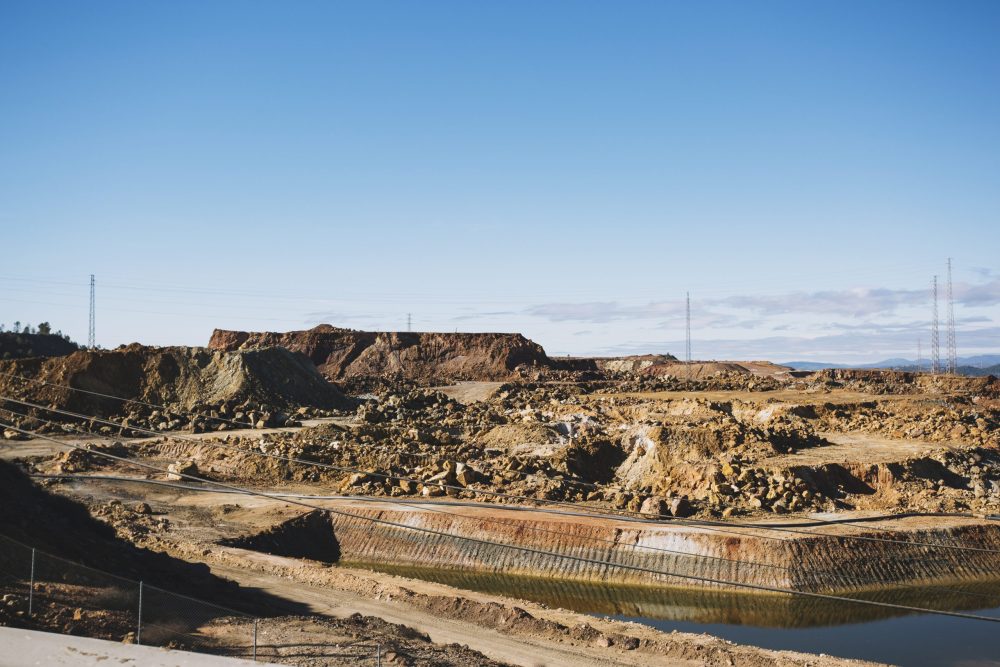
Across European cities, large volumes of soil are excavated during construction projects and routinely transported off-site for disposal. This practice is environmentally costly: soil accounts for approximately 25 per cent of total waste generated in the European Union. At the same time, imported soil is brought into urban areas to support parks, green infrastructure, and public realm projects. This contradictory flow contributes directly to “land take”, placing pressure on surrounding landscapes.
The EU Soil Strategy aims to reduce land take to net zero by 2050, creating urgency for alternatives that align with circular economy principles. For the digital construction sector, this presents a clear opportunity to rethink how excavated material is managed, reused, and specified within urban development workflows.
Constructed soils as a circular construction solution
Researchers from the Technical University of Munich (TUM) are addressing this challenge through the development and characterisation of ‘constructed soils’. These soils are created by enriching excavated urban soil with organic waste products, transforming degraded material into a functional resource for urban landscape planning.
The research team collected excavated soils from construction sites in Munich and Augsburg and blended them with green waste compost and biochar. Biochar is produced from organic waste streams, such as residues from biogas production, which would otherwise remain unused and enter landfill.
This approach directly supports circular construction by repurposing both soil and organic waste within the urban system.

Improved soil fertility and groundwater protection
Laboratory analysis demonstrated substantial performance improvements in the constructed soils. Nitrogen content increased by up to four times, alongside higher carbon accumulation, resulting in improved fertility. These characteristics are critical for supporting vegetation in dense urban environments.
In addition, the soils showed strong pollutant-binding capacity, immobilising up to 90 per cent of contaminants, including heavy metals. This capability positions constructed soils as a protective barrier for groundwater in high-risk urban locations.
“Repurposing both the soil and the waste products is a win-win-situation: we keep waste out of landfills and can create soil as a basis for diverse purposes in urban spaces,” explains Lauren Porter, first author of the publication at TUM’s Chair of Urban Productive Ecosystems.
Performance testing and climate resilience
Nadja Berger, doctoral candidate at the Chair of Restoration Ecology, tested the constructed soils as plant substrates under greenhouse conditions. Wetland plants grown in these soils demonstrated resilience to heat, flooding, and pollutant exposure, indicating strong potential for climate-adaptive urban landscapes.
These findings are particularly relevant for digital construction and urban planning professionals designing resilient green infrastructure informed by data-driven material performance.
Tailoring soils for specific urban applications
Beyond reuse, constructed soils can be engineered for defined functions. Roadside applications can prioritise pollutant immobilisation, while parks and green corridors can optimise fertility and plant growth. Adjusting compost and biochar ratios allows practitioners to specify soils precisely for each use-case.
“In the long term, our findings can support city and building planners,” says Porter. “The better they know the respective soils, the more successful they can be tailored to each use and aid in closing the resource cycle for soils.”
Constructed soils enable digital construction teams to reduce waste, protect land, and deliver data-driven urban landscapes that support circular economy targets and long-term environmental performance.
Read next: How Digital Twins and AI are transforming infrastructure – Build in Digital
Are you a building professional? Sign up for a FREE MEMBERSHIP to upload news stories, post job vacancies, and connect with colleagues on our secure social feed.