
Digital enforcement technologies are transforming how construction waste crime is detected, monitored, and prevented nationwide today.
The Environment Agency has announced a coordinated deployment of advanced surveillance and data-driven enforcement tools to tackle construction waste crime. The initiative reflects a broader shift within the digital construction sector towards integrating geospatial intelligence, automated compliance systems, and cross-agency data sharing to address illegal waste activities at scale.
Waste crime continues to undermine legitimate construction operations, distort materials markets, and create environmental risk. The latest measures are designed to intervene earlier in the lifecycle of illegal activity, moving enforcement from reactive investigation to proactive prevention.
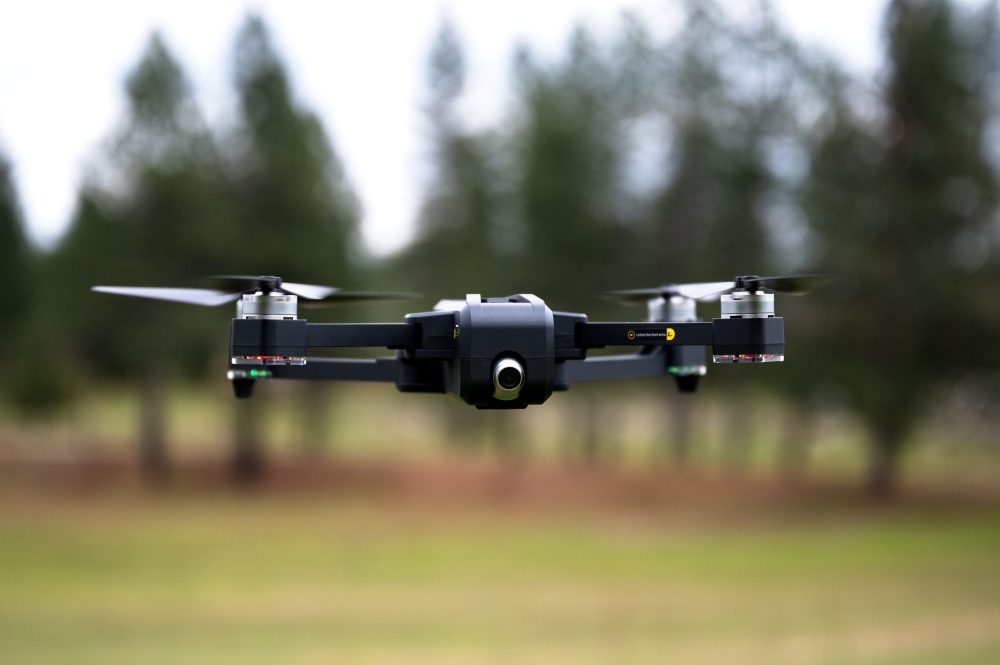
Drone surveillance and LiDAR mapping
A central component of the programme is the expansion of a 33-strong drone unit tasked with identifying illegal waste sites. These unmanned aerial systems are increasingly equipped with Light Detection and Ranging (LiDAR) sensors, enabling high-resolution topographic mapping of landfills and unauthorised dumping zones.
LiDAR technology operates by emitting laser pulses to generate dense point cloud datasets, producing accurate 3D terrain models. When deployed via drones, this capability allows enforcement teams to pinpoint waste deposits with precision, supporting evidential requirements for prosecution.
Since mid-2024, drone operations have accumulated over 272 flight hours, signalling a substantial operational commitment. The transition of LiDAR from crewed aircraft to agile drone platforms introduces greater flexibility and frequency in site monitoring, particularly across dispersed or concealed locations.
For digital construction stakeholders, this signals a growing intersection between geospatial analytics and regulatory enforcement. Contractors and waste carriers may increasingly be required to demonstrate transparent waste handling practices supported by verifiable digital records.
Data integration and automated screening of waste operators
In parallel with aerial surveillance, the Environment Agency has implemented a new digital screening tool that integrates logistics and regulatory datasets. The system cross-references Heavy Goods Vehicle licence applications from the Office of the Traffic Commissioner with registered waste permits and carrier licences.
This form of automated compliance monitoring introduces an early-warning mechanism, flagging operators whose credentials do not align with regulatory requirements. By analysing application data in near real time, enforcement officers can intervene before illegal transport operations commence.
A pilot in East Anglia demonstrated the system’s effectiveness. The tool identified a waste operator attempting to relocate its HGV base to avoid scrutiny, enabling intervention within a week of detection. This use case highlights the role of data interoperability in strengthening oversight across fragmented regulatory systems.

Strengthening the joint unit for waste crime
The enhanced technology suite is supported by organisational scaling. The Joint Unit for Waste Crime, a multi-agency taskforce involving the National Crime Agency and regional police forces, has expanded from 13 to 20 specialists.
This unit combines enforcement expertise with intelligence-led investigation, targeting organised criminal networks operating within the waste supply chain. Increased staffing capacity allows for more coordinated operations, intelligence sharing, and disruption strategies.
Enforcement outcomes already indicate momentum, with 751 illegal waste sites shut down and 221 prosecutions completed in the year to March 2025. These figures reflect a systematic approach to dismantling both individual offenders and structured criminal enterprises.
Industry and government perspective on waste crime enforcement
Phil Davies, Head of the Joint Unit for Waste Crime, emphasised the strategic intent behind the initiative: “Illegal waste dumping is appalling, and we are determined to turn the tide on this heinous crime.
“With organised criminals becoming ever more sophisticated, we are adopting new technologies to find and, importantly, stop them.
“Through the greater use of drones, stronger partnerships and more officers on the ground, we will build on our action so far and send a clear message to those committing waste crimes, we will stop you.”
Environment Secretary Emma Reynolds reinforced the government’s position on enforcement investment: “This Government is aggressively pursuing waste criminals and bringing offenders to justice.
“By increasing the Environment Agency’s enforcement budget by over 50% to £15.6 million, we’re investing in cutting-edge technology that allows us to shut down illegal operators faster and more effectively.
“From advanced laser-mapping to drone surveillance and new vehicle-scanning tools, this technology is helping us track, expose and stop waste crime, ensuring those who blight our communities are held to account.”
Collaboration
Advanced surveillance, integrated data systems, and cross-agency collaboration are redefining construction waste enforcement, requiring the sector to prioritise compliance, digital traceability, and accountability across project lifecycles nationwide.
Read next: Business as Usual Is Not an Option – Build in Digital
Are you a building professional? Sign up for a FREE MEMBERSHIP to upload news stories, post job vacancies, and connect with colleagues on our secure social feed.
