
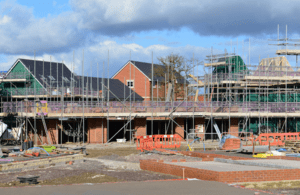
Seven proposed new towns signal a major shift in UK housing delivery, integrating infrastructure, technology, and long-term planning.
The UK Government has identified seven locations for a new generation of towns, forming part of a national strategy to accelerate housing delivery while embedding infrastructure, sustainability, and digital construction methodologies from inception. Each site is expected to deliver at least 10,000 homes, with several projected to reach 40,000 homes over time, positioning the programme as one of the most significant housebuilding initiatives in decades.
This initiative reflects a systemic shift in how communities are planned, designed, and delivered, placing digital construction, integrated infrastructure planning, and data-led decision-making at the centre of development.
Strategic locations supporting scalable housing delivery
The seven proposed locations demonstrate a geographically diverse and economically aligned approach to housing expansion:
- Tempsford, Bedfordshire — up to 40,000 homes linked to East West Rail
- Crews Hill and Chase Park, Enfield — up to 21,000 homes addressing London housing demand
- Leeds South Bank, West Yorkshire — up to 20,000 homes aligned with transport investment
- Manchester Victoria North, Greater Manchester — at least 15,000 homes with Metrolink connectivity
- Thamesmead, Greenwich — up to 15,000 homes enabled by DLR extension
- Brabazon and West Innovation Arc, South Gloucestershire — up to 40,000 homes within an advanced engineering cluster
- Milton Keynes, Buckinghamshire — expansion of around 40,000 homes within the Oxford-Cambridge Growth Corridor
Each development is structured around transport-oriented design, integrated utilities, and digital infrastructure, supporting the adoption of smart city principles and modern methods of construction (MMC).
Digital construction and infrastructure-led planning
A defining feature of this programme is the integration of digital construction strategies from the outset. By embedding Building Information Modelling (BIM), digital twins, and data-driven planning frameworks, these new towns are positioned to deliver coordinated infrastructure and housing at scale.
The government has emphasised a cross-sector approach, ensuring utilities, healthcare, education, and digital connectivity are delivered concurrently with residential development. This aligns with industry-wide calls for early-stage collaboration and interoperable data environments across stakeholders.
Housing Secretary Steve Reed stated: “People want real change, homes they can afford, local infrastructure that works, and good jobs in thriving communities.
“Our next generation of new towns marks a turning point in how we build for the future.
“From the ground up, we’re planning whole communities with homes, jobs, transport links, and green spaces designed together, so we can give families the security and opportunities they deserve.”
This integrated approach creates opportunities for digital construction firms to deploy automation, offsite manufacturing, and lifecycle asset management tools across large-scale developments.

Governance, delivery models and expert oversight
To support delivery, the New Towns Unit has appointed experienced advisors, including Lyn Garner, former Chief Executive of the London Legacy Development Corporation; Ian Piper, former Chief Executive of the Ebbsfleet Development Corporation; Emma Cariaga, Chief Operating Officer of British Land; and David Rudlin, Founding Principal of Rudlin & Co and principal author of the UK Government’s National Model Design Code . Their collective expertise spans regeneration, large-scale development corporations, and national design standards.
Development corporations are expected to play a central role, replicating successful delivery models seen in major regeneration projects. These entities enable streamlined planning, coordinated investment, and long-term asset stewardship, critical for complex, multi-decade developments.
The programme also aligns with the UK Government’s National Model Design Code, ensuring consistency in placemaking, design quality, and community infrastructure provision.
National housing bank and funding mechanisms
A key enabler of this strategy is the launch of the National Housing Bank, backed by up to £16 billion in financial capacity. The Bank is designed to unlock over £53 billion in private investment and support the delivery of more than 500,000 homes.
Chancellor Rachel Reeves said: “For decades this country’s planning system has been a direct obstacle to building new homes, ramping up costs and pricing young people out of the housing market.
“Two years ago, I promised that we would grasp the nettle of planning reform. Now we’re planning to build a new generation of new towns, opening up the expansion of our most dynamic cities and raise up new communities.
“Our economic plan is the right one. Through stability, investment and reform we are building a stronger and more secure economy.”
The Bank’s Chief Executive, Simon Century, added:“From day one, we’ll use deep expertise to back innovative, large-scale delivery — accelerating the supply of high-quality affordable homes and thriving places people want to live.”
Additional funding includes £400 million in subsidised financial products and £234 million allocated to Mayoral Combined Authorities to unlock brownfield development, supporting approximately 8,000 homes.
Implications for the digital construction sector
For the digital construction sector, this programme represents a substantial pipeline of opportunity across design, delivery, and operations. Key areas of impact include:
- Adoption of BIM and digital twins for masterplanning and asset lifecycle management
- Increased demand for MMC and offsite manufacturing to meet delivery targets
- Integration of smart infrastructure, including IoT-enabled utilities and transport systems
- Expansion of data platforms supporting cross-sector collaboration
The scale and complexity of these developments necessitate robust digital ecosystems, positioning technology providers and digitally enabled contractors as critical delivery partners.
These new towns represent a structural evolution in UK housing delivery, where digital construction, integrated infrastructure, and long-term planning converge to enable scalable, sustainable, and economically viable communities nationwide.
Read next: Government digital transformation and regional growth – Build in Digital
Are you a building professional? Sign up for a FREE MEMBERSHIP to upload news stories, post job vacancies, and connect with colleagues on our secure social feed.
