

Inclusivity is crucial for the construction industry, writes Neela Ahmed, but men need to take a more active role in creating spaces and opportunities for women, as well as for other under-represented groups
Diversity and inclusion aren’t just buzzwords for me; they are deeply personal.
My journey in the corporate world has been marked by both challenges and revelations, particularly when I was one of the few women in a male-dominated industry.
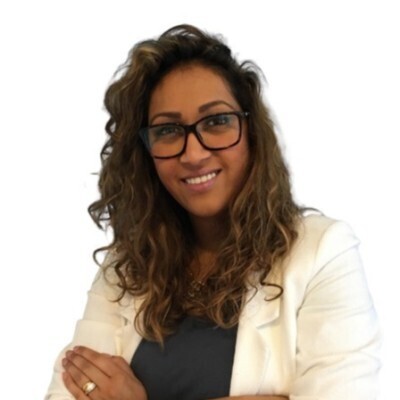
Early in my career, in Adtech and MarTech, I found myself in a leadership role surrounded by a room full of senior male executives. Despite my qualifications and performance, I felt my voice was rarely valued as much as my male counterparts.
This experience was enough of a wake-up call, igniting my passion to uplift women and under-represented groups to not only have a seat at the table, but a voice that is heard and valued.
It is this passion that has driven me to foster environments where diversity isn’t just a ‘nice to have’ but part of the everyday workplace. My career milestones have shown me first-hand that diverse perspectives lead to richer discussions and better business outcomes.
It is not just about having different faces in the room; it’s about integrating diverse viewpoints, leading to more innovative solutions and an overall stronger organisational performance.

Breaking through barriers
So what’s stopping us overcoming these barriers to access? Navigating intersectionality in a male-dominated industry like construction, isn’t a walk in the park.
According to the World Economic Forum’s (WEF) 2024 Global Gender Gap Report, it could take 134 years to close the global gender gap at the current rate of progress. This is roughly five generations from now. We’ve clearly got some deep-rooted cultural norms and biases that make it tough for women and other under-represented groups to break into senior leadership roles.
On top of that, the industry’s old-school working practices can sometimes feel pretty unwelcoming to diverse talent trying to break through. And let’s not forget, that there’s a real gap in understanding the unique experiences of different groups, which makes it hard to craft policies that truly support everyone.
Drawing inspiration
Before diving into potential solutions, I want to highlight how the achievements of numerous women in male-dominated industries have been a significant source of inspiration for me.
Alison Nimmo, for instance, has made remarkable contributions to urban regeneration and was instrumental in the infrastructure development for the London 2012 Olympic Games. I think her success serves as a powerful example of what women can achieve in construction and beyond.
At E1, we plan to highlight the valuable contributions of women in the industry through various channels. We are members of Women in Construction Tech UK, and are also building our own community to support the cause, “Empowering Women in Construction”, where we’ll feature stories of successful women in our newsletters, social media, and industry events.
Hosting several events, women in the sector will be invited to share their journeys, aiming to inspire others and show that there are no limits to what we can achieve.
Layering opportunities brick by brick
To turn this passion into tangible results, I am also committed to implementing several strategies aimed at increasing opportunities for women and under-represented groups in the construction industry:
- Mentorship and sponsorship: One of the cornerstones of my strategy is the establishment of targeted mentorship and sponsorship programs. These initiatives are designed to connect women with experienced mentors, who can provide invaluable guidance, support, and opportunities for career advancement. Our first event, open to all women in the industry, “Empowering Women in Construction,” scheduled for early September, will be a pivotal moment to kickstart these efforts.
- Unbiased recruitment processes: We’re committed to making our recruitment processes as unbiased as possible by addressing the social stereotypes that people may unconsciously hold. We do this by collaborating with recruitment agencies that specialise in inclusive hiring practices. For example, there are diverse hiring panels made up of people from various genders, races, and levels of seniority. From there, we also include blind recruitment processes that remove personal information from CVs including photo, age, tone, fostering a more inclusive mindset from the very outset, minimising any unconscious bias.
- Inclusive culture: Building an inclusive company culture and retaining that talent is equally as important. Diversity and inclusion training for all employees is a must in this day and age. For instance, think about implementing allyship training which covers the importance of allies, actionable steps to become an effective ally, and procedures for addressing and reporting discriminatory behaviour. This training is essential for cultivating a culture where everyone is engaged in playing their part – which leads me to my next point.

Why allies matter
But women can’t do it all – men play a crucial role in promoting diversity and inclusion.
They can be powerful allies by actively supporting these initiatives. This support involves speaking out against discriminatory behaviours and policies, and ensuring equal opportunities for advancement.
Men in leadership positions can further contribute by mentoring and sponsoring female colleagues, helping them navigate their career paths and provide growth opportunities. Participating in and promoting diversity and inclusion training is also essential for understanding the challenges women face.
By taking these steps, we’ll begin to see a more balanced and equitable industry.
E1 leading the charge for change
Inclusivity and equity should be at the heart of every organisation’s operations, not just listed as values on paper. A balanced and diverse leadership team should be the norm, not the exception. At E1, we embody these principles, as shown by our 50/50 split in leadership roles.
By taking these smart and caring steps, we can make a real difference, making the construction industry more inclusive and fair for everyone.
Yes, it’s a work in progress, but with dedication and teamwork, we can create a future where everyone has a chance to succeed and in turn, a better industry for all.
Main image: credit: Zoteva – Shutterstock
Read next: Muse selected for £500m Wythenshawe Civic regeneration
Are you a building professional? Sign up for a FREE MEMBERSHIP to upload news stories, post job vacancies, and connect with colleagues on our secure social feed.
