
Sheffield advances brownfield regeneration using digital construction to deliver sustainable, connected urban neighbourhoods at scale.
Sheffield City Council and Homes England have appointed development partners to deliver two major brownfield regeneration schemes at Furnace Hill and Neepsend. The projects will collectively provide up to 1,300 new homes while supporting digital construction innovation, sustainable urban development, and long-term placemaking in the city centre.
The appointments mark a coordinated approach to urban regeneration in Sheffield, aligning public sector leadership with private sector delivery capability. The schemes also contribute to broader ambitions across the Northern Growth Corridor, with digital construction methods expected to play a central role in delivery efficiency, data-driven planning, and lifecycle asset management.
Strategic brownfield regeneration in Sheffield’s urban core
At Furnace Hill, Capital&Centric and Great Places Housing Group will deliver approximately 750 homes through a joint venture model. The tenure mix includes one-third affordable housing, one-third for home ownership, and one-third build-to-rent, reflecting evolving residential demand in urban centres.
At Neepsend, igloo Regeneration will deliver around 430 homes, including provision for affordable housing and later living. Combined, the developments will regenerate five hectares of brownfield land, equivalent to approximately seven football pitches, transforming underutilised industrial sites into digitally enabled residential neighbourhoods.
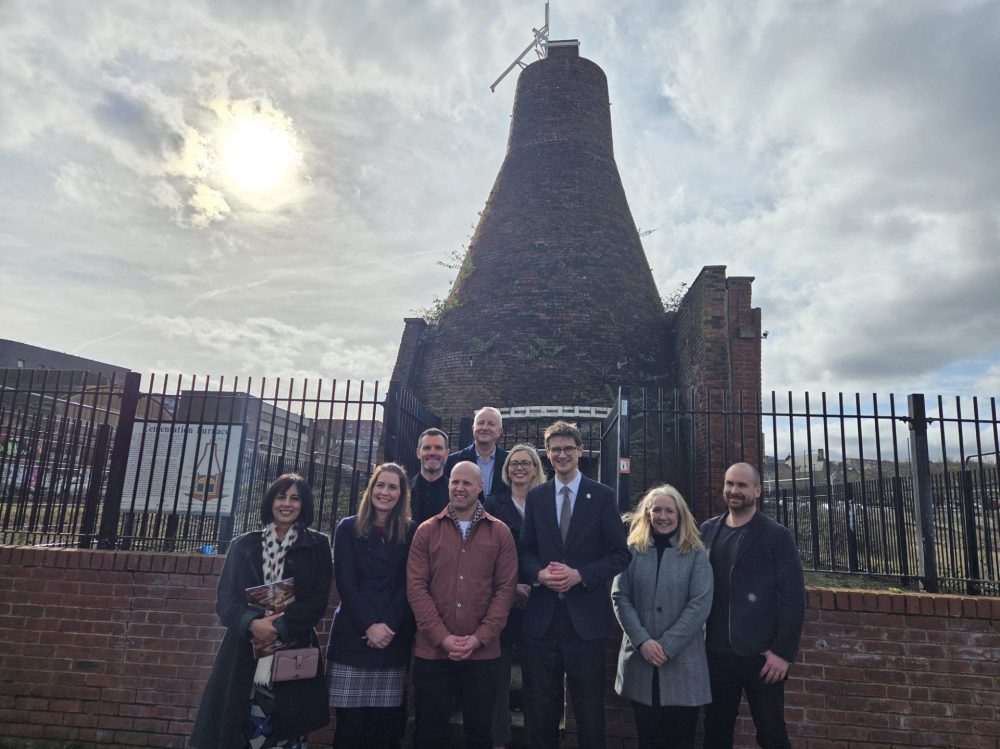
The schemes integrate transport connectivity, green infrastructure, and heritage assets such as the Doncaster Street Cementation Furnace and Cornish Works. Proximity to the River Don further strengthens opportunities for environmental design informed by digital modelling and flood resilience planning.
Digital construction and infrastructure-led delivery
Backed by nearly £70 million in government funding, announced in February 2024, the projects prioritise infrastructure-first delivery. This includes land assembly, utilities coordination, and transport integration, areas increasingly shaped by digital construction workflows such as Building Information Modelling (BIM), digital twins, and geospatial data platforms.
Digital construction in these schemes enables stakeholders to coordinate complex brownfield constraints, optimise site layouts, and improve construction sequencing. The integration of data-rich models supports risk mitigation, cost certainty, and long-term asset performance, aligning with UK government objectives for modern methods of construction (MMC).
Kate Josephs, Chief Executive of Sheffield City Council, said: “These developments show what is possible when strong local and national partnerships come together with a shared ambition for our city. Densifying and revitalising our central neighbourhoods is a core part of Sheffield’s plan for growth and will enable us to play a key role in the Northern Growth Corridor. Sheffield aims to set the standard in creating the kind of vibrant, connected places where people want to live, work and invest.”

Public-private partnerships driving digital placemaking
The collaboration between Homes England and development partners highlights the role of public-private partnerships in scaling digital construction adoption. By aligning funding, policy, and delivery expertise, these partnerships unlock complex sites that would otherwise remain undeveloped.
Amy Rees CB, Chief Executive of Homes England, said: “Collaboration between local, regional and national teams matters. Together, we can boost communities with new homes and thriving places that people want and need. Homes England will continue to use our expertise and resources in this way, working tirelessly alongside mayors, local leaders and partners, to help deliver for people in this city and in hundreds of other places across England.”
John Moffat, Joint Managing Director at Capital&Centric, added: “This latest announcement demonstrates our long-term commitment to Sheffield. It’s our fourth major project in the city. It highlights the strength of our partnership with Homes England, with whom we’re also working on the £860m Impact & Places Partnership together with Swiss Life Asset Managers. By aligning public and private investment, we can unlock complex brownfield sites and create the neighbourhoods cities need. Together, we’re turning partnership into new homes, communities and lasting impact.”
Sustainable housing delivery and community-focused design
The developments prioritise sustainability, affordability, and community integration, key pillars of digital construction strategies. Data-driven design enables performance monitoring across energy use, materials, and operational efficiency, supporting net zero targets and long-term value creation.
Helen Spencer, Executive Director of Growth at Great Places, said: “We’re delighted to be partnering on this transformative regeneration opportunity for Sheffield. Bringing new homes, green spaces and vibrant, well-connected neighbourhoods to Furnace Hill reflects exactly the kind of long-term, community-focused investment we’re passionate about. By working closely with our partners across the city, we’re helping to unlock the potential of these historic sites and create quality, sustainable homes that meet the needs of local people for generations to come. This is a pivotal moment for the area, and we’re proud to play our part in shaping its future.”
Joe Broadley, Development Director at igloo, said: “The Neepsend scheme marks an important milestone for Sheffield, bringing high-quality, people-centred homes and public spaces that celebrate local heritage and create long-term social value. As igloo’s first project in the city, we are applying our Footprint approach to deliver distinctive, community-focused placemaking, building on our experience of creating thoughtful, regenerative developments elsewhere. We look forward to working closely with our partners to bring this scheme to life.”
Scaling urban growth through regeneration-led housing
Councillor Tom Hunt, Leader of Sheffield City Council, emphasised the scale of ambition: “We are regenerating brownfield land to build the homes that Sheffield needs. With nearly 1200 homes and 330 new affordable homes, the new neighbourhoods at Furnace Hill and Neepsend will be significant developments and a sign of our ambition to deliver good quality homes for our residents. Working with our partners, we will turn empty brownfield land and derelict buildings into thriving new neighbourhoods, connected to the tram.”
He added: “Regenerating brownfield land at Furnace Hill and Neepsend is a key part of our wider plan to build 20,000 homes in the city centre in brand new neighbourhoods. We want Sheffield to be the best place to grow up, get on and grow old and we are working to ensure everyone can have a good quality home at a price they can afford. Major regeneration schemes like this are a big part of making that happen.”
Sheffield’s Furnace Hill and Neepsend regeneration demonstrates how digital construction, partnerships, and funding can unlock brownfield land, delivering sustainable homes, infrastructure, and long-term economic growth.
Read next: Strategic role within Manchester Airports Group – Build in Digital
Are you a building professional? Sign up for a FREE MEMBERSHIP to upload news stories, post job vacancies, and connect with colleagues on our secure social feed.
