
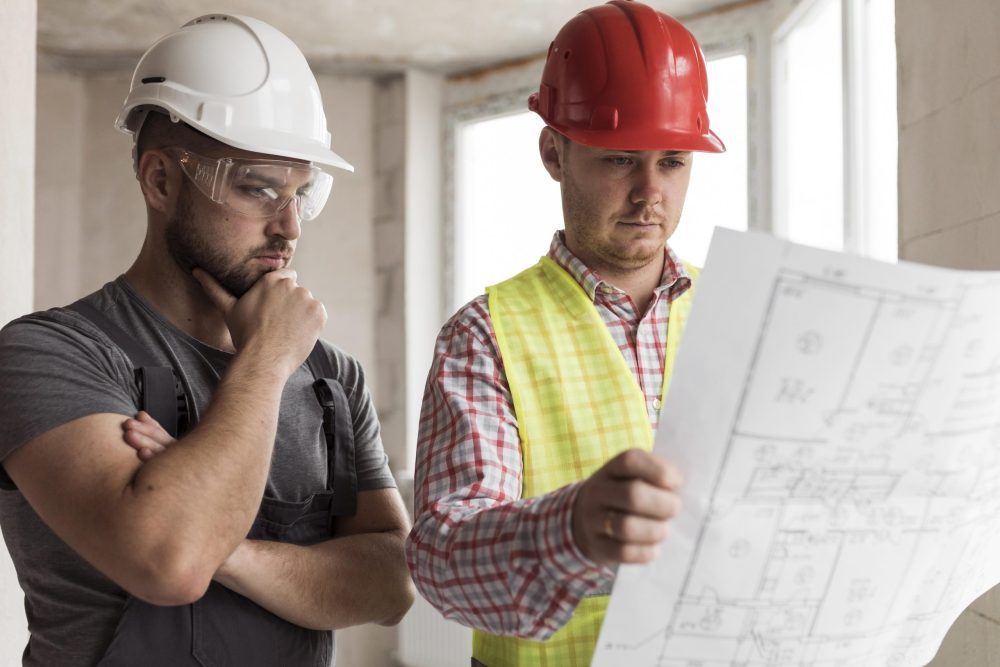
Building Information Modelling enables teams to identify issues early, reducing risk, cost, and disruption across projects.
Clash detection in BIM refers to the process of identifying conflicts between building elements within a coordinated digital model. These clashes often occur between architectural, structural, and building services systems, such as ductwork intersecting with beams or cable trays conflicting with ceilings. BIM coordination tools enable the detection of these conflicts during the design and pre-construction stages, rather than during physical construction. This proactive approach supports informed decision-making and improves coordination across disciplines within digital construction workflows.
Traditional coordination and its limitations
Traditional coordination relies on 2D drawings, manual overlays, and experience-based reviews. While this approach has delivered projects for decades, it depends heavily on individual interpretation and sequential information sharing. Conflicts often remain hidden until construction begins, when trades encounter issues on site. Resolving these problems typically requires rework, design revisions, programme changes, and additional cost. Traditional coordination also limits the ability to assess cumulative impacts across complex systems, particularly on large or multi-storey projects.
Preventing conflicts digitally versus fixing them on site
The key distinction between BIM clash detection and traditional coordination lies in timing and certainty. BIM enables conflicts to be prevented digitally by simulating construction before it happens. Issues are identified within a shared model, discussed collaboratively, and resolved through coordinated design changes. By contrast, fixing clashes on site is reactive. It often involves delays, variations, and compromises that affect quality and safety. Digital clash detection reduces uncertainty by providing visual, data-driven insight into how components interact in real space.

Cost, programme, and risk implications
Early clash detection in BIM directly influences project performance. Identifying conflicts during design reduces the likelihood of costly site changes and claims. It also supports more reliable construction programmes by minimising unplanned stoppages. From a risk management perspective, BIM coordination improves predictability and transparency, allowing teams to assess potential impacts before they materialise. For clients and contractors, this translates into better cost control and improved confidence in delivery.
Collaboration and accountability in BIM coordination
BIM-based coordination encourages structured collaboration. Clash reports provide clear records of identified issues, responsibilities, and resolution status. This level of traceability supports accountability across consultants and contractors. It also enables design teams to test alternatives and optimise layouts without disrupting construction. Traditional methods lack this shared digital environment, making coordination more fragmented and harder to audit.
Why clash detection matters in digital construction
As digital construction becomes standard practice, clash detection is no longer optional. It underpins efficient BIM workflows and supports compliance with information management standards. Projects that embed clash detection early benefit from improved coordination, reduced waste, and clearer communication across the supply chain.
BIM clash detection shifts problem-solving from the construction site to the digital environment, enabling earlier decisions, improved coordination, reduced risk, and more predictable outcomes for complex construction projects.
Read next: UK construction outlook 2026 – Build in Digital
Are you a building professional? Sign up for a FREE MEMBERSHIP to upload news stories, post job vacancies, and connect with colleagues on our secure social feed.
