
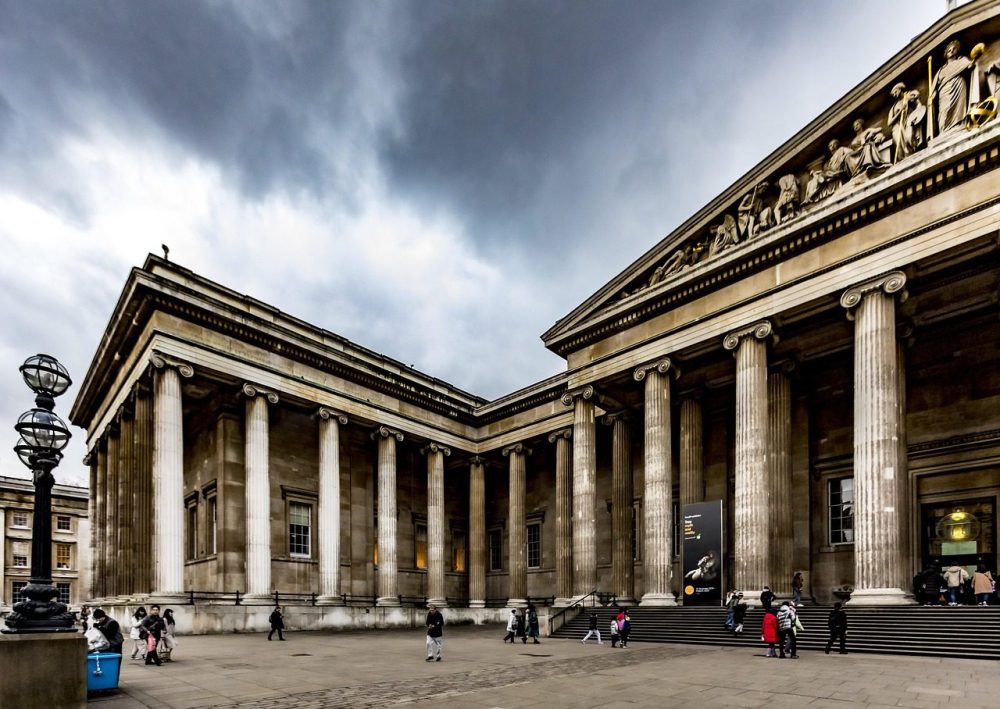
Britain’s world-renowned museums are facing a mounting challenge: spiralling maintenance costs that threaten their long-term sustainability. New figures released under the Freedom of Information (FOI) Act reveal that between 2022 and 2024, major national institutions—including the Victoria and Albert Museum (V&A), the Tate, and the Imperial War Museum—collectively spent £29 million on essential building repairs and refurbishments.
These costs highlight the urgent need for innovative solutions in the digital construction sector, where tools such as Building Information Modelling (BIM), artificial intelligence (AI)-driven surveys, and digital twins can offer smarter, more cost-effective approaches to maintaining historic buildings.
Britain’s Museums and their rising repair bills
The FOI figures paint a stark picture of the financial pressures facing Britain’s most iconic cultural institutions:
- Victoria and Albert Museum (V&A): Spent £8.8 million on refurbishments, including upgraded visitor facilities such as new toilets and structural works.
- Tate Galleries (London, Liverpool, Cornwall): Invested £4.2 million to maintain and repair its portfolio of historic and modern sites.
- Imperial War Museum: Incurred £16 million on new furniture, general building works, and essential upgrades.
These institutions attract millions of visitors annually and are housed in heritage buildings—many constructed more than a century ago. Their architectural significance makes repairs complex, expensive, and highly regulated.
The maintenance challenge in heritage and cultural buildings
Unlike modern commercial developments, heritage buildings require specialised upkeep, often involving:
- Compliance with listed building regulations
- Careful integration of fire safety and electrical system upgrades
- Use of traditional construction materials and specialist craftsmen
- Long lead times for project approval and delivery
With costs running into hundreds of millions across regional museums, according to the Museums Association, the problem is national in scope. The need for sustainable, efficient building maintenance strategies has never been more urgent.


How digital construction can help
The digital construction sector offers transformative solutions for museums and heritage sites. By adopting digital-first approaches, institutions can reduce costs, improve safety, and extend the lifespan of their assets.
1. Building Information Modelling (BIM) for heritage sites
- Creates accurate 3D models of existing structures
- Enables better coordination between architects, engineers, and contractors
- Facilitates predictive maintenance by simulating wear and tear
2. AI-driven surveys and inspections
- Uses AI and machine learning to quickly assess building conditions
- Reduces time and costs compared to manual surveys
- Improves accuracy in identifying structural risks and hidden defects
3. Digital twins for real-time monitoring
- Creates a living digital replica of the museum building
- Monitors energy usage, humidity, and structural integrity in real time
- Provides data to inform preventative maintenance strategies
4. Smart facilities management platforms
- Streamlines repair scheduling and budgeting
- Integrates compliance management for fire safety and accessibility standards
- Enhances visitor experience through efficient building operations
Chris Davison, CEO of building specialist NavLive, emphasises the role of innovation: “Britain’s leading museums are facing unprecedented challenges due to soaring upkeep costs. Many of these buildings were first constructed over a century ago, meaning maintenance bills are both essential and costly. That’s why it’s critical that AI is deployed to speed up surveys and refurbishment, reducing overheads and ensuring these treasured institutions are always open to the public.”
Meanwhile, Sharon Heal of the Museums Association underlines the scale of the problem: “Our national institutions are often housed in historically significant buildings which need sustained investment in order to keep them open to the public. The current repair bill is not surprising … the need is huge, with current outstanding repair bills running into hundreds of millions of pounds.”
The future of museum maintenance
The question now is not whether repairs are necessary, but how they can be delivered smarter, faster, and more sustainably. As the digital construction sector continues to innovate, heritage buildings stand to benefit from:
- Reduced long-term costs through predictive maintenance
- Improved public safety via digital monitoring of critical systems
- Sustainability gains from data-driven energy efficiency strategies
- Enhanced visitor experience through modernised, well-maintained facilities
Britain’s museums are more than cultural attractions; they are vital guardians of national history and identity. Yet the financial burden of maintaining these ageing buildings is growing unsustainably.
By embracing digital construction technologies—from BIM and digital twins to AI-driven surveys—museums can take a proactive approach to building management. Not only will this help control soaring repair bills, but it will also ensure that these treasured institutions remain safe, accessible, and resilient for generations to come.
The £29 million spent in just three years should act as a wake-up call: without innovation, the cost of preserving Britain’s heritage will only escalate. Digital construction provides a clear path forward.
Read next: ‘Call to Arms’ issued to accelerate housebuilding – Build in Digital
Are you a building professional? Sign up for a FREE MEMBERSHIP to upload news stories, post job vacancies, and connect with colleagues on our secure social feed.
