
As National Careers Week 2026 launches today, a landmark training programme designed to tackle construction’s green skills gap is setting the tone for the future of built environment careers in England.
A national initiative aimed at upskilling further education (FE) tutors in retrofit, sustainable construction and digital delivery has been brought to England for the first time by social housing consortium Efficiency North, in partnership with Built Environment – Smarter Transformation (BE-ST).
With the government’s £15 billion Warm Homes Plan targeting upgrades to five million homes by 2030, the scale of retrofit required demands more than ambition – it requires a digitally enabled, sustainability-literate workforce prepared to deliver at pace.
Investing at the start of the skills pipeline
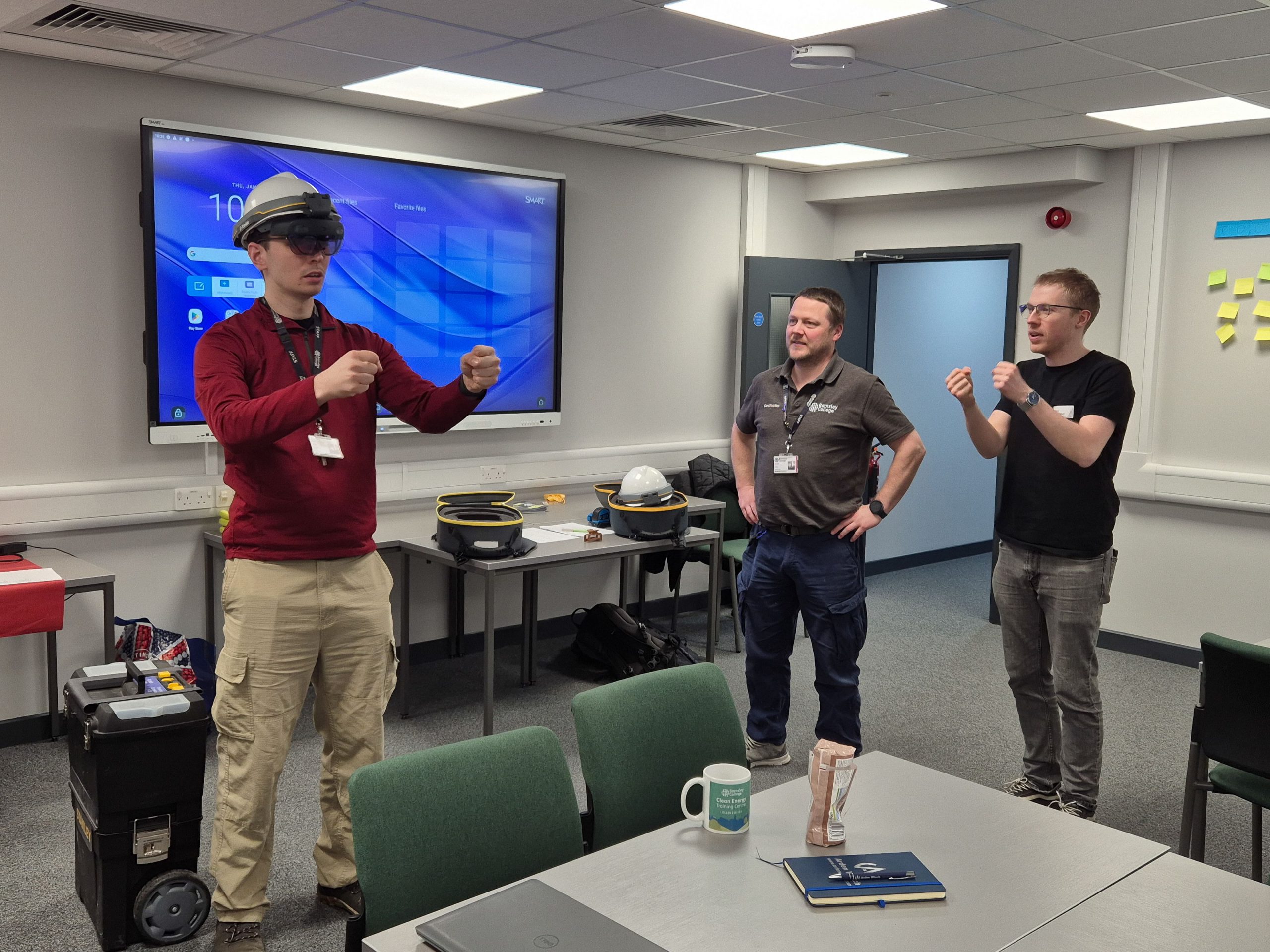
Hosted at Barnsley College’s newly opened Clean Energy Training Centre, the four-day leadership-focused programme brought together tutors and curriculum managers from six colleges across Yorkshire and the Humber, with enrolment later extended nationwide.
The course builds on two years of development and delivery across Scotland by BE-ST, home to Scotland’s National Retrofit Centre and the Mass Timber Centre of Excellence. Its arrival in England marks a strategic expansion at a critical moment for the sector.
Simeon Perry, head of ESG at EN:Procure, the procurement arm of Efficiency North, said the programme reflects a decisive shift in approach.
“With the government’s new Warm Homes Plan investing £15 billion to help upgrade up to five million homes by 2030, delivering energy-efficient retrofit at scale demands a workforce with the right skills and confidence. This is no longer an area where half measures will suffice.
“By partnering with BE-ST, Efficiency North has chosen to invest at the very start of the skills pipeline, equipping educators with the expertise to prepare the next generation of retrofit-ready construction professionals and supporting colleges to meet both immediate and long-term green skills demand.”


Whole-House thinking meets digital delivery
Designed specifically for FE leaders, the programme addressed an acknowledged shortage of specialist knowledge within the education sector itself.
Taking a whole-house approach to retrofit, the course focused on building physics and the interplay between insulation, ventilation, moisture control and energy performance. Crucially, it also explored the growing role of digital methods of construction, modern methods of construction (MMC) and emerging technologies such as artificial intelligence in shaping how projects are delivered.
This blend of sustainability principles and digital capability reflects a broader shift across the industry, where data-driven design, performance modelling and offsite construction are becoming central to meeting net-zero targets.
Hands-on learning formed a core element of the experience, with live demonstrations and practical exercises enabling delegates to translate theory into applied teaching strategies. Structured networking sessions encouraged cross-college collaboration, helping to establish consistent, high-quality retrofit training across institutions.
Delegates also received comprehensive resource packs to support curriculum integration within their own colleges.
Richard Favell, carpentry and joinery lecturer at Grantham College, said the programme provided clarity at a pivotal time for the sector.
“From the building physics sessions to the retrofit principles, technology in construction and exploration of new and emerging materials, I’ve come away with plenty of practical ideas and insights to apply in my work.”
Meeting regional and national demand
The Construction Industry Training Board projects that Yorkshire and the Humber alone will require around 26,600 additional construction workers by 2028, with more than 5,320 new recruits needed annually to meet projected demand.
While initially focused on the region, the programme is open to colleges nationwide, supporting long-term viability and wider sector impact as the industry accelerates towards decarbonisation.
Priced at £1,600 per delegate, the course is expected to generate further demand from FE colleges across England and Wales as institutions respond to mounting pressure to embed retrofit and sustainable construction into mainstream training.
A careers conversation grounded in reality
As National Careers Week 2026 spotlights pathways into future-facing industries, the built environment’s transformation offers a compelling message to learners: green construction and digital delivery are no longer niche specialisms – they are central to the sector’s future.
By empowering educators with the knowledge, confidence and digital insight required to teach next-generation skills, Efficiency North and BE-ST are positioning colleges to play a decisive role in closing the construction skills gap.
The message for careers leaders this week is clear: the retrofit revolution will be delivered not just on site, but in classrooms – and the time to prepare is now.
Read next: Evercam Appoints former Causeway CEO as CCO to scale reality-drvien intelligence platform
Are you a building professional? Sign up for a FREE MEMBERSHIP to upload news stories, post job vacancies, and connect with colleagues on our secure social feed.

