
Major funding for Northern city regions signals a decisive shift towards digitally enabled urban regeneration delivery.
The UK Government has announced up to £1.7bn in funding to accelerate city-centre regeneration and unlock stalled development across the Northern Growth Corridor. The investment, led by Rachel Reeves, is positioned to remove barriers to delivery, support housing and infrastructure pipelines, and strengthen the role of digital construction in enabling large-scale urban transformation.
Targeting key city regions including Leeds, Liverpool, Manchester, Newcastle, and Sheffield, the funding is designed to unlock complex brownfield sites, accelerate planning and delivery processes, and create development opportunities aligned with modern methods of construction and data-led planning systems.
Northern Growth Corridor funding and digital construction delivery
The £1.7bn funding package forms part of a wider Northern Growth strategy focused on addressing regional imbalances through targeted infrastructure and regeneration investment. For the digital construction sector, this presents a clear opportunity to deploy technologies such as Building Information Modelling (BIM), digital twins, and geospatial data platforms to improve project certainty and delivery timelines.
The funding model, described as “just enough” public investment, is structured to de-risk schemes and attract significantly larger private capital inflows. This blended finance approach is increasingly reliant on robust digital project controls, data transparency, and lifecycle asset management, core components of digital construction best practice.
Crucially, the programme aims to deliver housing and employment opportunities within a short commute for up to nine million people, reinforcing the need for integrated digital planning across transport, residential, and commercial developments.
Regional allocations driving smart urban regeneration
The funding allocations provides mayoral authorities with targeted capital to accelerate priority schemes:
- West Yorkshire: £145m supporting regeneration in areas such as Leeds South Bank
- South Yorkshire: £85m focused on the Sheffield Innovation Spine and Don Valley Corridor
- North East: £120m for projects including Newcastle and Gateshead Quays
- Greater Manchester: £175m for developments such as Victoria North
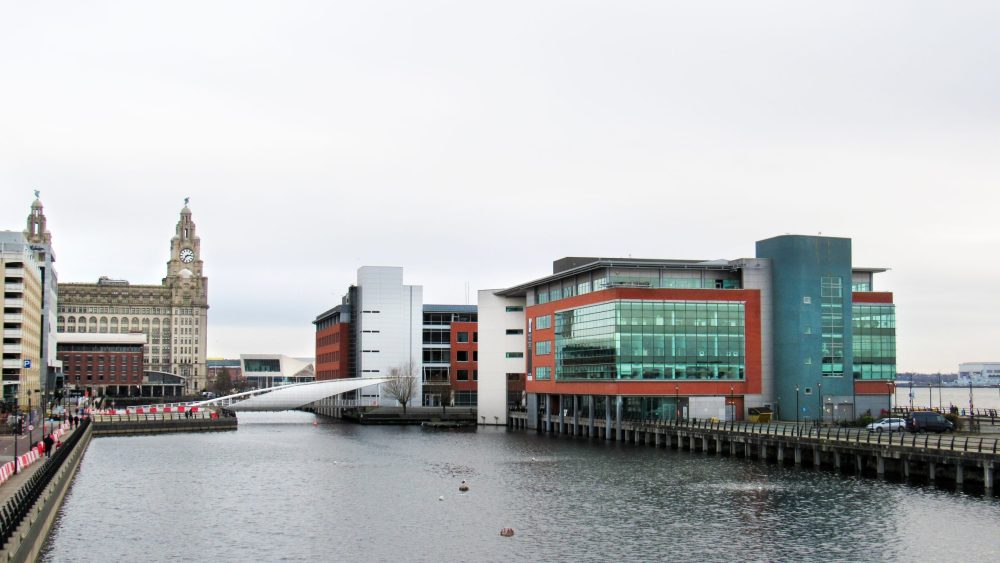
- Liverpool City Region: £95m supporting Liverpool Central
These investments align with smart city frameworks, where digital construction tools enable better coordination between stakeholders, improved cost forecasting, and enhanced sustainability outcomes.
For example, regeneration zones such as Leeds South Bank and Manchester Victoria North are expected to benefit from digital masterplanning, data-driven infrastructure modelling, and offsite manufacturing strategies to increase delivery efficiency.

Enabling brownfield development through data and technology
A core focus of the funding is unlocking well-connected brownfield land for housing and mixed-use development. Brownfield regeneration presents inherent complexities, including site constraints, legacy infrastructure, and environmental considerations.
Digital construction methodologies, particularly BIM Level 2 and beyond,enable detailed site analysis, clash detection, and scenario modelling. These capabilities reduce risk and improve decision-making across the project lifecycle, from feasibility through to asset operation.
By integrating digital workflows, local authorities and developers can accelerate planning approvals, improve stakeholder collaboration, and ensure compliance with evolving regulatory frameworks, including net zero targets.
Government strategy: infrastructure, AI and economic growth
The announcement builds on the Government’s broader infrastructure agenda, including the £45bn Northern Powerhouse Rail programme, a major transport investment connecting key Northern cities.
Rachel Reeves stated: “I want every part of Britain to do well. That’s why we’re going for growth all across the country, not just in a few places, because I want everyone to be able to succeed no matter what their parents do, where they grow up, or where they choose to settle down.”
She added: “Our economic plan is the right one. By bringing back stability in our public finances, boosting investment in our infrastructure and driving reform, we’re building a stronger more secure economy.”
The Chancellor also highlighted the role of artificial intelligence and closer EU collaboration in driving economic growth, both of which have implications for digital construction, particularly in areas such as automated design optimisation, predictive analytics, and cross-border project standards.
Mayoral leadership and regional delivery confidence
Regional mayors have emphasised the importance of sustained investment and devolved powers in delivering long-term regeneration outcomes.
Andy Burnham, Mayor of Greater Manchester said: “We have long made the case for the North as the UK’s biggest growth opportunity and it is great to see the Chancellor giving it such strong backing.”
He added that Greater Manchester is “breaking with old discredited ‘trickle-down’ models of economic growth” and advancing a new approach supported by its Good Growth Fund.
Steve Rotheram, Mayor of the Liverpool City Region, highlighted the impact on local talent retention: “Where you grow up shouldn’t determine how far you can go in life… With the right backing, we’re ready to turn that potential into jobs, growth and opportunity for millions of people.”
Tracy Brabin, Mayor of West Yorkshire, reinforced the link between infrastructure and local opportunity: “People want to see more jobs and opportunities created on their doorstep… This funding… is a vote of confidence in our ambitious plans for the region.”
Oliver Coppard, Mayor of South Yorkshire, pointed to long-term transformation: “We’re building a bigger and better economy across all of South Yorkshire… today’s announcement… shows that this Government is right behind us.”
Meanwhile, Kim McGuinness, Mayor of the North East, emphasised delivery ambition: “Today’s news… is a huge boost to our ambition as we deliver some of the country’s most exciting urban development projects.”
Implications for the digital construction sector
For digital construction professionals, this funding signals a substantial pipeline of projects requiring advanced delivery approaches. Key implications include:
- Increased demand for BIM-enabled project delivery and digital asset management
- Expansion of digital twin applications across city-scale regeneration
- Greater integration of AI-driven planning and design tools
- Growth in offsite and modular construction aligned with digital workflows
- Enhanced focus on data interoperability across public and private stakeholders
The emphasis on speed, scale, and coordination across multiple city regions reinforces the need for standardised digital frameworks and skilled workforce capabilities.
This investment positions digital construction as central to delivering Northern regeneration, enabling faster project delivery, improved outcomes, and long-term economic resilience across the UK’s evolving urban landscape.
Read next: AI and quantum investment strategy – Build in Digital
Are you a building professional? Sign up for a FREE MEMBERSHIP to upload news stories, post job vacancies, and connect with colleagues on our secure social feed.
