
Britain is accelerating robotics innovation by reforming regulation, supporting adoption, and removing barriers across industrial sectors.
The UK government has announced decisive steps to reduce regulatory barriers limiting robotics innovation, with implications for digital construction, infrastructure inspection, defence, and advanced manufacturing. The Regulatory Innovation Office (RIO) has named robotics and defence as priority sectors, signalling a targeted effort to modernise outdated rules that delay deployment, increase costs, and slow economic growth.
This move aligns with the government’s Modern Industrial Strategy, which aims to improve productivity, raise living standards, and strengthen public services through technology-led growth.
Regulatory reform for robotics and autonomous systems
The RIO, launched in October 2024, is tasked with identifying and removing regulatory obstacles that restrict emerging technologies. Since its inception, the office has engaged with more than 150 businesses and is addressing barriers across sectors worth over £100 billion to the UK economy.
Robotics companies frequently face fragmented regulatory pathways. For example, developers of autonomous inspection drones may require approvals from aviation regulators, data protection authorities, and sector-specific safety bodies. These overlapping frameworks can delay commercialisation by months and consume significant resources, particularly for small and medium-sized enterprises.
The RIO intends to streamline these processes while maintaining safety and compliance. Its earlier collaboration with the Civil Aviation Authority to simplify drone flight approvals demonstrates how coordinated regulation can accelerate innovation without increasing risk.
Minister for Digital Economy Liz Lloyd highlighted the urgency of reform, stating: “British innovators shouldn’t be held back by needless red tape. We have world-leading robotics and defence tech firms, but regulations haven’t kept pace with their innovations. We’re updating the rules so they work for modern technologies, cutting the barriers that stop these firms from growing and competing globally.”

Implications for digital construction and infrastructure
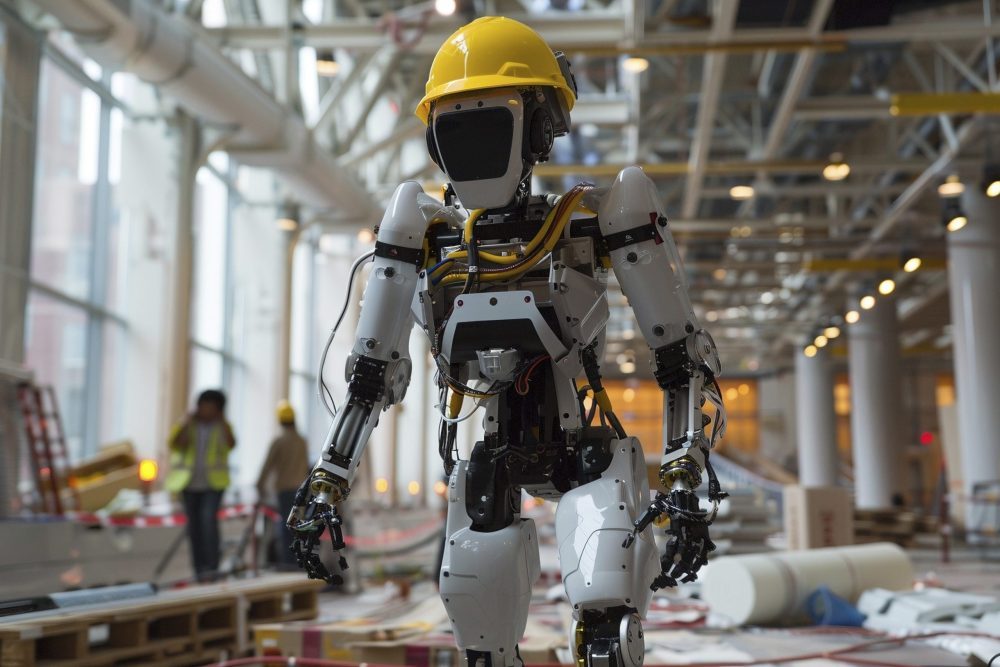
Robotics plays an increasingly central role in digital construction and the built environment. Robots are already being developed to inspect offshore wind turbines in severe weather, assess nuclear infrastructure, and monitor hard-to-reach assets. These applications reduce worker exposure to hazardous conditions while improving inspection accuracy and speed.
For digital construction firms, regulatory clarity is essential for adopting autonomous systems, robotics-enabled inspections, and data-driven asset management. Simplified approval processes can accelerate the deployment of robotics across infrastructure, energy, and transport projects, supporting safer and more efficient delivery models.
Robotics adoption hubs and skills development
Alongside regulatory reform, the government is investing £52 million to establish around five Robotics Adoption Hubs across the UK. These hubs form part of the Advanced Manufacturing Sector Plan and are designed to support businesses exploring automation and robotics deployment.
Each hub will receive at least £2 million per year for four years, with additional funding available for larger proposals. Expected to become operational from the second half of 2026, the hubs will be delivered through an Innovate UK competition open to universities, businesses, and public sector organisations.
The hubs will provide practical support, including expert guidance, live demonstrations, and networking opportunities. This is intended to help organisations take initial steps into robotics adoption, whether automating production lines, deploying agricultural monitoring systems, or integrating robotics into healthcare environments.
Science Minister Lord Vallance said: “From manufacturing to healthcare, robotics can help British businesses work smarter and grow faster. These Hubs will make sure companies of all sizes can access the support they need to embrace automation, wherever they are in the country.”
Economic growth and industry confidence
Research suggests that wider adoption of robotics could contribute up to £150 billion to the UK economy. However, many businesses remain uncertain about regulatory requirements and implementation pathways.
To address this, companies will soon be able to raise regulatory challenges directly with the RIO through a new digital portal. This approach enables the office to prioritise the most restrictive rules and respond to industry needs in real time.
Naomi Weir, Technology and Innovation Director at the CBI, welcomed the announcement: “The CBI welcomes RIO’s new front door for business and announcement of its new priority sectors. Zeroing in on defence technology and robotics can accelerate innovation and unlock growth. We look forward to working with RIO to help deliver on this ambition.”
By streamlining regulation and funding adoption hubs, government aims to unlock robotics growth, strengthen digital construction, improve safety, and boost productivity across the UK economy long term.
Read next: UK’s built environment super-event reshapes Contech visibility – Build in Digital
Are you a building professional? Sign up for a FREE MEMBERSHIP to upload news stories, post job vacancies, and connect with colleagues on our secure social feed.