
The 2025 Structural Awards have highlighted the strength of UK structural engineering, with four projects from across the country receiving global recognition. Announced by the Institution of Structural Engineers (IStructE), the awards showcase the continuing evolution of structural engineering in the UK and its contribution to safer, lower-carbon and more resilient built environments. For the digital construction sector, the winning projects underscore the growing reliance on data-driven design, innovative materials and sustainable construction methods.
This year’s UK winners demonstrate how structural engineering teams are responding to complex infrastructure challenges, delivering effective retrofit strategies and applying low-carbon design principles at scale. Arup, Curtins, Structure Workshop and Webb Yates Engineers were all celebrated for their contributions to areas including RAAC remediation, net-zero commercial development, museum engineering and community-focused facilities.
Significant project
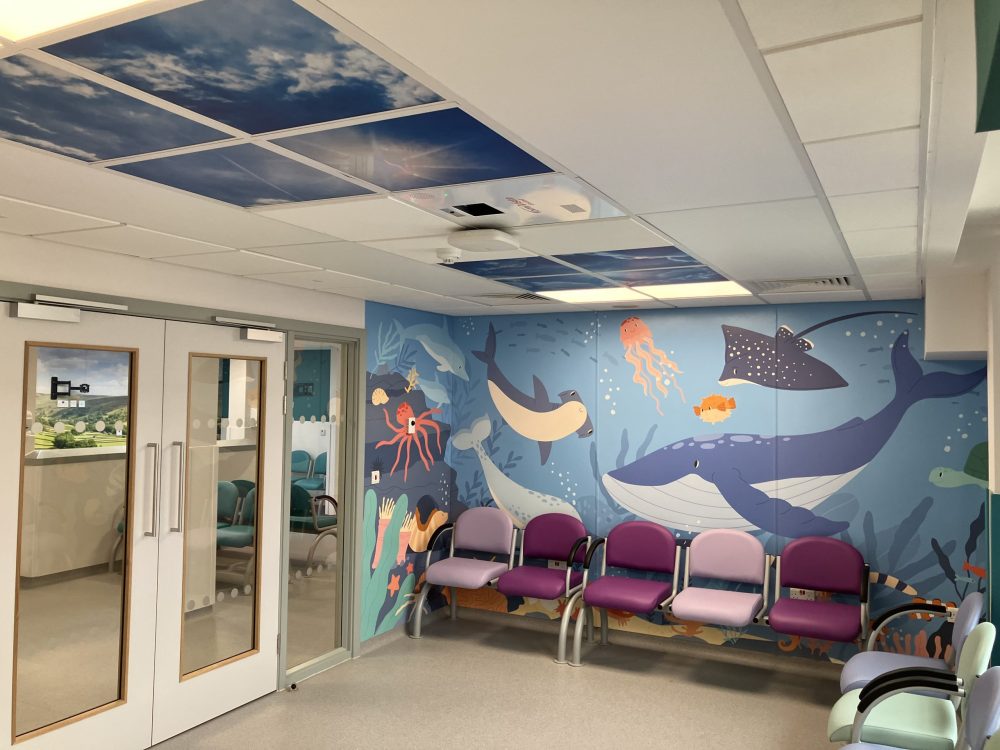
One of the most significant projects recognised was the remediation of reinforced autoclaved aerated concrete (RAAC) at Airedale General Hospital in Yorkshire. The engineering team delivered a large-scale intervention under demanding operational conditions, a task that highlights the increasing importance of structural safety, digital assessment tools and asset-management data in the health sector. For many in the digital construction community, the project reinforces how modern structural engineering integrates modelling, data capture and monitoring to safeguard critical infrastructure.
Retrofit scheme
London also featured prominently among the 2025 winners with ‘The Acre’, an ambitious retrofit scheme designed to reduce embodied carbon and extend the lifespan of an existing commercial building. The project demonstrates how sustainable office design and whole-life carbon assessment are reshaping development across the capital. As demand grows for net-zero office buildings, The Acre provides a model for digital-first retrofit approaches that combine structural analysis, parametric modelling and material-efficiency strategies.
Intricate engineering
Another UK success came from the Natural History Museum, where a freestanding exhibit, ‘Fern the Diplodocus’, required intricate structural engineering to support a delicate educational installation. Structure Workshop was recognised for designing a structural solution that balances public engagement with precision engineering. For the cultural and heritage sector, the project illustrates how advanced modelling techniques and discreet support systems can enhance visitor experience without compromising conservation requirements.
Low-carbon community
The fourth UK winner, Webb Yates Engineers, was celebrated for its work on a low-carbon community building at The Heathland School in Hounslow. This project demonstrates how natural materials and low-carbon structural design can shape new educational environments. With embodied carbon reduction now a priority for both public and private clients, the project stands as an example of how structural engineering supports local communities while meeting environmental targets.
Technical excellence
Judges praised all four UK winners for delivering technical excellence across a range of challenges. Their decisions reflected the broader direction of modern structural engineering: integrating sustainable design principles, applying digital construction tools and using materials more efficiently. High-scoring entries across the international shortlist also showcased innovation in climate resilience, advanced fabrication techniques and the use of digital workflows to improve coordination and safety on complex schemes.
The awards also recognised firms including Aurecon and GHD Joint Venture, Latéral, Fast + Epp, schlaich bergermann partner, Arcplus Institute, Atelier One and R.V. Anderson Associates. The diversity of this group demonstrates the global nature of digital engineering today and the collaborative opportunities emerging from shared technical challenges.
Exemplify circular design
Professor John Orr, chair of the judging panel, highlighted the profession’s direction of travel, noting that the 2025 winners exemplify circular design, material efficiency and low-carbon construction. For digital construction professionals, these trends align closely with the growing use of digital twins, data-led lifecycle assessments and integrated design platforms.
Central role
The Structural Awards have played a central role in celebrating engineering achievements for more than 50 years, with past winners including the Sydney Opera House, the Pompidou Centre and the Severn Bridge. The judging framework has recently shifted from project-type categories to value-based criteria: Planet, People, Process and Profession. These categories emphasise environmental outcomes, community benefit, technical achievement and the wider influence of engineering.
IStructE, founded in 1908, continues to support structural engineers worldwide with a membership of more than 29,000 professionals in 138 countries. Its work underpins public safety, professional standards and the ongoing development of the global built environment.
As the 2025 awards show, UK structural engineering remains at the forefront of sustainable construction, digital innovation and infrastructure resilience. The winning projects provide a clear indication of how the profession is adapting to environmental targets, digital workflows and societal needs, setting a direction that will influence engineering practice for years to come.
Read next: AI and digital twins to strengthen the blue economy – Build in Digital
Are you a building professional? Sign up for a FREE MEMBERSHIP to upload news stories, post job vacancies, and connect with colleagues on our secure social feed.
